
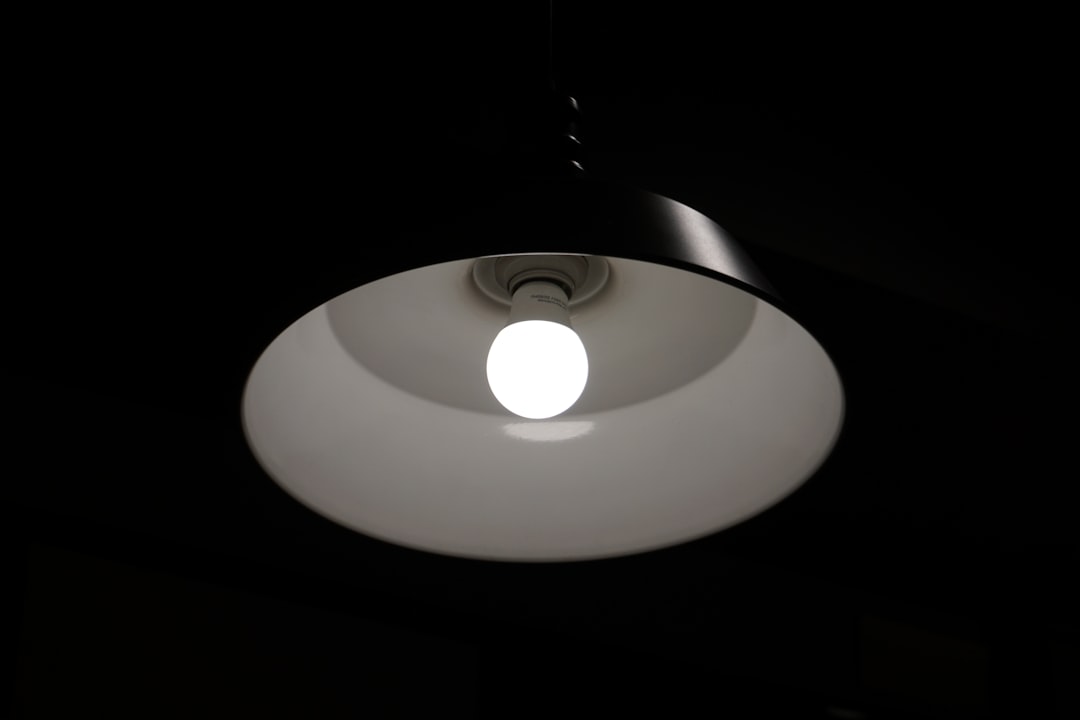
Modern Bauhaus Acrylic Disc Lamp: Minimalist Style
Your exploration of contemporary lighting design leads you to the “Modern Bauhaus Acrylic Disc Lamp: Minimalist Style.” This article aims to provide a factual and comprehensive overview of this specific lighting fixture, examining its design principles, materials, historical influences, and its place within modern interior aesthetics.
The Modern Bauhaus Acrylic Disc Lamp embodies a design philosophy rooted in minimalism and functionalism. Its aesthetic is characterized by a reduction to essential forms, devoid of superfluous ornamentation. This approach prioritizes utility and clarity, ensuring the lamp Sumikahome serves its primary purpose of illumination while contributing to the overall visual harmony of a space.
Form and Structure
At its core, the lamp features a disc-shaped diffuser, typically rendered in frosted or clear acrylic. This disc acts as both the light source’s enclosure and its primary visual element. The form is often planar and unadorned, reflecting the Bauhaus emphasis on geometric simplicity.
- Geometric Purity: The dominant circular or semi-circular form of the disc is a direct nod to geometric purism, a cornerstone of Bauhaus design. This form is inherently stable and balanced, contributing to the lamp’s understated presence.
- Absence of Embellishment: Unlike elaborate chandeliers or intricate traditional lamps, the Modern Bauhaus Acrylic Disc Lamp foregoes decorative elements. Its beauty is derived from the inherent qualities of its form and materials, echoing the maxim “form follows function.”
- Balance and Proportion: Despite its simplicity, careful consideration is given to the lamp’s proportions. The size of the disc, the length of any supporting arms or stems, and the dimensions of its base are designed to create a sense of visual equilibrium. In a sense, the lamp acts as a visual fulcrum, balancing the light it emits with its own physical presence.
Light Diffusion
A critical aspect of the lamp’s design is its method of light diffusion. The acrylic disc plays a pivotal role in softening and spreading the light.
- Even Illumination: The material properties of acrylic, particularly its translucent or frosted variants, are utilized to achieve an even and glare-free illumination. This prevents harsh shadows and creates a more comfortable lighting environment.
- Directional vs. Ambient: Depending on its mounting and the opacity of the disc, the lamp can provide either direct, focused light or a more diffuse, ambient glow. For instance, a ceiling-mounted lamp with an opaque top and a translucent bottom will contribute more to ambient illumination, whereas a desk lamp with a fully frosted disc might provide more concentrated task lighting.
- Play of Light and Shadow: While embracing minimalism, the lamp subtly interacts with its surroundings through light and shadow. The precisely diffused light can highlight textures on adjacent surfaces, adding depth to a room without visual clutter.
Materials and Manufacturing
The material selection for the Modern Bauhaus Acrylic Disc Lamp is integral to its aesthetic and functional properties. The choice of acrylic, alongside specific metals, reflects a commitment to modern industrial processes and a pursuit of durable, aesthetically pleasing components.
Acrylic
Acrylic, a synthetic polymer, is the defining material for the lamp’s diffuser. Its characteristics make it a suitable alternative to traditional glass.
- Optical Clarity: High-grade acrylic offers excellent optical clarity, allowing for controlled light transmission. When frosted, it scatters light effectively, reducing hot spots and creating a softer glow.
- Durability and Weight: Acrylic is significantly lighter and more shatter-resistant than glass, offering practical advantages in terms of handling, installation, and safety. This robustness contributes to the lamp’s longevity.
- Formability: Acrylic is thermoplastic, meaning it can be heated and molded into various shapes. This property facilitates the creation of the precise disc forms characteristic of these lamps, ensuring uniformity in manufacturing.
- Maintenance: Acrylic surfaces are generally easy to clean, requiring only a soft cloth and mild cleaning solutions. This ease of maintenance aligns with the practical aspects often emphasized in minimalist design.
Metal Components
The structural elements of the lamp, such as the base, stem, and mounting hardware, are typically crafted from metals. These components provide necessary support and stability.
- Stainless Steel: Often chosen for its corrosion resistance, strength, and sleek appearance. Stainless steel, in brushed or polished finishes, complements the minimalist aesthetic by adding a touch of industrial refinement.
- Aluminum: Lightweight and versatile, aluminum can be anodized in various colors or finishes, offering design flexibility. Its machinability allows for precise component creation.
- Brass: Sometimes used for accentuation or to introduce a warmer metallic tone. While still minimalist in form, brass can add a subtle vintage or luxurious touch without compromising the lamp’s overall simplicity.
- Powder Coating: Metal components are frequently powder-coated, a process that provides a durable and uniform finish in a range of colors, most commonly matte black, white, or various shades of gray, consistent with the minimalist palette.
Historical Context and Influences
To fully appreciate the Modern Bauhaus Acrylic Disc Lamp, one must understand its historical lineage. It is not merely a contemporary design but a continuation and reinterpretation of principles established in the early 20th century.
The Bauhaus Movement
The Bauhaus school, founded in Germany in 1919 by Walter Gropius, was a pivotal force in art, architecture, and design. Its core tenets deeply resonate within the design of the acrylic disc lamp.
- Integration of Art and Craft: Bauhaus sought to bridge the gap between art and industrial production. Designs were intended to be mass-producible, functional, and aesthetically pleasing, a concept seen in modern lighting manufacturing.
- Functionality Over Ornamentation: A primary Bauhaus principle was that the purpose of an object should dictate its form. Decorations were stripped away to reveal the inherent beauty of materials and construction. The acrylic disc lamp, with its unadorned form, is a direct heir to this principle.
- Geometric Abstraction: The Bauhaus embraced geometric forms—circles, squares, triangles—as fundamental building blocks of design. The circular disc is a clear, unambiguous geometric entity, embodying this abstraction.
- Honest Use of Materials: Materials were to be used in ways that celebrated their inherent properties, rather than disguising them. Acrylic is employed for its specific qualities of light diffusion and durability, not as a mimicry of another material.
Mid-Century Modernism
Following the Bauhaus, Mid-Century Modernism further developed many of these themes, particularly in Scandinavia and North America. This period saw a continued focus on clean lines, organic shapes, and functional design, often incorporating new materials.
- Simplified Forms: Mid-Century designers continued the trend of simplifying forms, making objects more accessible and adaptable to various interiors. The timeless quality of the disc shape aligns with this enduring appeal.
- New Technologies and Materials: The post-war era brought new manufacturing techniques and materials, including plastics. Designers of the mid-20th century were quick to explore these, much like modern designers utilize advanced acrylics and LED technology.
- Emphasis on Lighting: Lighting became an increasingly important element of interior design during this period, moving beyond mere utility to become a design statement in itself. Designers explored ways to integrate light sources seamlessly into architectural spaces.
Integration into Modern Interiors
The Modern Bauhaus Acrylic Disc Lamp is specifically designed to complement contemporary interior aesthetics. Its minimalist nature allows it to integrate seamlessly into a variety of spaces without overpowering existing decor.
Compatibility with Minimalist Design
Minimalist interiors prioritize uncluttered spaces, clean lines, and a muted color palette. The acrylic disc lamp is a natural fit for such environments.
- Visual Quietness: The lamp’s understated appearance contributes to a sense of visual calm. It provides illumination without demanding excessive attention, serving as a quiet but effective presence.
- Contribution to Negative Space: In minimalist design, negative space is as important as positive space. The lamp, often appearing to float or recede, contributes to the openness and breathability of a room. It becomes a subtle punctuation mark rather than a dominant paragraph.
- Monochromatic Schemes: Its typical finishes—matte black, white, silver—are ideal for monochromatic or limited-color schemes, enhancing the overall coherence of the design.
Versatility in Application
While adhering to a specific aesthetic, the lamp exhibits considerable versatility in its application within different rooms and settings.
- Residential Use:
- Living Rooms: As a ceiling fixture, it can provide ambient light; as a floor or table lamp, it offers accent or task lighting.
- Bedrooms: Wall-mounted versions can serve as sleek alternatives to traditional bedside lamps, freeing up nightstand space.
- Dining Areas: Multiple disc lamps suspended at varying heights can create a dynamic yet understated focal point above a dining table.
- Commercial Use:
- Offices: Its unobtrusive design and even light distribution are suitable for modern office environments, contributing to productivity without visual distraction.
- Retail Spaces: Used to highlight products or create a sophisticated atmosphere without competing with merchandise displays.
- Hospitality: In hotels or restaurants, the lamp can contribute to a refined, contemporary ambiance.
Aesthetic Impact
The lamp’s aesthetic impact is often subtle but profound. It can elevate a space through its sophisticated simplicity.
- Sculptural Element: Even when unlit, the lamp functions as a sculptural element, its clean form adding an architectural dimension to the room. It’s a silent object that still speaks volumes through its shape.
- Understated Elegance: It eschews overt luxury in favor of an understated elegance, communicating discernment through its refined design and quality materials.
- Timeless Appeal: By drawing on enduring design principles and avoiding fleeting trends, the Modern Bauhaus Acrylic Disc Lamp possesses a timeless quality, ensuring its relevance for years to come.
Technical Specifications and Performance
Beyond its aesthetic attributes, the Modern Bauhaus Acrylic Disc Lamp offers practical performance advantages, particularly concerning its light source and energy efficiency.
Light Source
Modern versions of these lamps predominantly utilize LED (Light Emitting Diode) technology. This choice is driven by several factors.
- Energy Efficiency: LEDs consume significantly less energy than incandescent or fluorescent bulbs, resulting in lower electricity bills and reduced environmental impact.
- Longevity: LEDs have a much longer lifespan than traditional light sources, often lasting tens of thousands of hours, reducing the need for frequent bulb replacement.
- Compact Size: The small form factor of LED chips allows for sleek, compact designs, facilitating the minimalist profile of the acrylic disc lamp. This is crucial for avoiding a bulky appearance.
- Color Temperature: LEDs are available in a range of color temperatures, from warm white (around 2700K-3000K) to cool white (around 4000K-5000K) and daylight (above 5000K). This allows consumers to select a lamp that provides the desired ambiance.
- Dimmability: Many LED disc lamps are dimmable, offering flexibility in controlling the light intensity to suit different moods or tasks.
Installation and Maintenance
The design places emphasis on straightforward installation and minimal maintenance, aligning with the functionalist approach.
- Mounting Options: Lamps can be ceiling-mounted (flush or suspended), wall-mounted, or designed as freestanding floor or table lamps. The mounting mechanism is typically designed to be as inconspicuous as possible.
- Electrical Connections: Standard electrical connections are used, with internal wiring concealed within the lamp’s structure, maintaining a clean visual line.
- Ease of Cleaning: As previously mentioned, the acrylic diffuser and metal components are easily maintained with simple cleaning methods, contributing to the lamp’s practical appeal. No intricate carvings or hard-to-reach crevices collect dust.
Environmental Considerations
The use of specific materials and LED technology also has environmental implications.
- Reduced Carbon Footprint: The energy efficiency of LEDs contributes to a lower carbon footprint over the lamp’s lifespan.
- Recyclability: While acrylic is a plastic, efforts are being made in the industry to improve its recyclability. Metal components are generally recyclable. When you consider the full lifecycle of such a product, these factors become significant.
- Durability and Longevity: The robust construction and long-lasting LED components mean that the lamp does not need frequent replacement, reducing waste. It’s a lamp designed for enduring service rather than planned obsolescence.
In summary, the Modern Bauhaus Acrylic Disc Lamp, through its adherence to minimalist principles, careful material selection, and incorporation of advanced lighting technology, represents a convergence of historical design philosophies and contemporary practicality. It is a lighting fixture designed for purposeful illumination, rather than ostentatious display, embodying an aesthetic that values clarity, function, and enduring appeal.