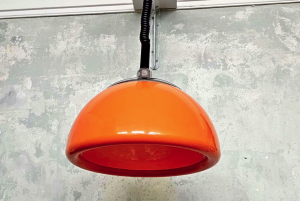

Dreamy Dusk: Colorful Glass Pendant Lamp
A decorative lighting fixture, the “Dreamy Dusk: Colorful Glass Pendant Lamp” is a type of hanging lamp designed to cast ambient light. Its defining characteristic is the use of colored glass within its shade, which alters the perceived color of the light it emits. This category of lamp has evolved from earlier forms of lighting and serves both functional and aesthetic purposes in interior design.
The concept of hanging lamps predates the widespread adoption of electricity. Early examples were often oil lamps suspended from ceilings or beams, providing illumination in homes and public spaces. The development of gas lighting in the 19th century saw the introduction of more elaborate hanging fixtures, often made of brass and featuring glass shades. These fixtures were a significant advancement, allowing for brighter and more controlled lighting.
Pre-Electric Illumination and Early Hanging Fixtures
Before the advent of electricity, illumination was provided by sources such as candles, oil lamps, and gas lamps. These early lighting methods required significant space and posed fire hazards. Hanging fixtures became desirable as a means of elevating the light source, thereby increasing the illuminated area and reducing the risk of accidental ignition of surrounding materials. Materials like wrought iron and brass were commonly used for the frames of these early pendant lamps, while simple glass or even ceramic shades were employed to diffuse the light.
The Impact of the Electric Revolution
The invention and subsequent popularization of electric lighting in the late 19th and early 20th centuries revolutionized the design and use of pendant lamps. Electricity offered a cleaner, safer, and more controllable light source. This enabled the creation of more intricate designs and the widespread use of glass in shades. The Art Nouveau and Art Deco movements, for instance, embraced the possibilities of electric pendant lamps, incorporating flowing lines, geometric patterns, and a broader palette of colored glass.
The Rise of Decorative Glass in Lighting
Decorative glass has long been a material for aesthetic expression, and its integration into lighting fixtures marked a significant step in home decor. Techniques like stained glass, blown glass, and cut glass allowed for the creation of intricate patterns and vibrant colors. Pendant lamps provided an ideal canvas for showcasing these glassworking skills, transforming functional objects into artistic statements. The ability of glass to refract and color light made pendant lamps a focal point in interior spaces, capable of setting a particular mood or atmosphere.
Design Elements of the “Dreamy Dusk: Colorful Glass Pendant Lamp”
The “Dreamy Dusk” lamp, as its name suggests, is characterized by its use of colored glass to create a specific lighting effect. The design typically involves a single or multiple glass shades suspended from a central point, often a decorative canopy or rod. The interplay of the glass color, the light source’s intensity, and the surrounding environment dictates the final visual impact.
The Role of Colored Glass
The primary distinguishing feature of this type of lamp is the presence of colored glass. This glass can be achieved through various methods, including mixing metallic oxides into the molten glass during the manufacturing process, or by applying a colored coating to clear glass. The choice of color and its intensity significantly influence the quality of light projected.
Techniques in Colored Glass Production
- Melted Color Blending: Metallic oxides, such as cobalt for blue or copper for red, are added to the molten glass mixture. This imbues the glass with a consistent color throughout its entire thickness. Various oxides and their concentrations can produce a wide spectrum of hues.
- Glass Painting and Staining: While less common for large pendant shades, certain decorative elements might be achieved through painting with specialized glass paints or applying metallic stains to the surface, which are then fired to become permanent.
- Cased Glass: This technique involves layering molten glass of different colors. For example, a layer of colored glass can be applied over a clear or opalescent core. This allows for depth and complexity in the coloration.
- Opalescence and Iridescence: Certain glass formulations and treating processes can result in opalescent glass, which has a milky or pearly appearance and diffuses light softly. Iridescent finishes add a shimmering, rainbow-like effect, often achieved through chemical treatments applied to the glass surface.
Shade Shapes and Configurations
Pendant lamps, including the “Dreamy Dusk,” come in a variety of shade shapes, each influencing the direction and spread of light. Common shapes include globes, bowls, cylinders, and more complex geometric forms. The arrangement of multiple shades, from a cluster to a linear configuration, also plays a crucial role in the overall lighting design.
Common Shade Geometries
- Spherical or Globe Shades: These offer omnidirectional light distribution, casting a soft glow in all directions. They are often used to create a gentle, ambient illumination.
- Bowl or Bell Shapes: These shades tend to direct light downwards, making them suitable for task lighting above dining tables or countertops. The colored glass can then wash the surface below with its hue.
- Cylindrical Shades: Providing a more focused beam of light, cylindrical shades can be used for accent lighting or in areas where a directed light is required.
- Faceted or Geometric Shades: These designs often involve multiple panels of glass and can create dynamic patterns of light and shadow as they refract and reflect light. The interplay of facets can accentuate the colors within the glass.
- Conical or Trumpet Shapes: Similar to bowl shapes, these often direct light downwards but can also have a more pronounced upward spread, creating interesting ceiling effects.
Suspension Mechanisms and Mounting Hardware
The way a pendant lamp is suspended is as integral to its design as the shade itself. This can range from simple cords and chains to decorative rods or arms. The material and finish of the mounting hardware – often metal – complement the style of the glass shade and the overall interior. Finishes can include brushed nickel, polished chrome, antique brass, or matte black, each offering a different aesthetic.
Variations in Suspension Systems
- Cord Suspension: The most common method, a cord (often fabric-covered for aesthetic purposes) connects the shade to the ceiling canopy. The length is typically adjustable to suit ceiling height and desired aesthetic.
- Chain Suspension: Metal chains provide a more industrial or traditional look and offer strong support. The style of the chain – links, style, and finish – contributes to the lamp’s character.
- Rod Suspension: A rigid metal rod connects the shade to the canopy, offering a clean and modern appearance. These are often used for straight-line installations in kitchens or hallways.
- Canopy and Fixture Design: The ceiling canopy, which conceals the electrical connection, can range from simple round plates to more elaborate decorative designs that echo the style of the lamp itself. The arm or stem connecting the shade to the canopy also forms part of the overall visual composition.
The Aesthetic Impact and Application in Interior Design
The “Dreamy Dusk” pendant lamp is primarily a decorative element, intended to enhance the ambiance of a space. The colored glass can evoke specific moods, much like a painter uses color to convey emotion on a canvas. Its placement and the surrounding decor are critical factors in its overall effectiveness.
Creating Atmosphere and Mood
The primary function of the colored glass is to color the light that passes through it. This can be used to create a specific atmosphere. For example, warm amber or red tones can create a cozy and inviting environment, while cooler blues or greens might evoke a sense of calm and tranquility. The “Dreamy Dusk” name itself implies a desire to capture the soft, diffused light of twilight.
Color Psychology in Lighting
- Warm Tones (Reds, Oranges, Yellows): Often associated with energy, warmth, comfort, and passion. In interior design, they can make spaces feel more intimate and welcoming.
- Cool Tones (Blues, Greens, Purples): Frequently linked to calmness, serenity, nature, and sophistication. They can create a more relaxing or stimulating environment depending on the specific shade and intensity.
- Neutral Tones (Whites, Grays, Blacks): While the “Dreamy Dusk” lamp emphasizes color, the surrounding environment’s neutral tones can allow the colored glass to become the dominant visual element or, conversely, can temper its effect.
Integration into Various Interior Styles
These lamps can be adapted to a range of interior design aesthetics, from contemporary to traditional. The style of the glass, the metalwork, and the overall silhouette of the fixture will determine its compatibility. A sleek, modern design might feature a geometric glass shade suspended from a minimalist rod, while a more ornate fixture could incorporate intricately patterned colored glass in a vintage setting.
Contemporary and Modern Interiors
In contemporary homes, these lamps can serve as a striking focal point. A single, large pendant with bold colors might hang above a dining table or in a minimalist living area. Alternatively, a series of smaller, perhaps uniformly colored pendants could create a rhythmic visual element in a hallway or over a kitchen island. The key is to ensure the lamp complements, rather than overwhelms, the clean lines and uncluttered nature of modern design.
Traditional and Transitional Spaces
For more traditional or transitional interiors, the “Dreamy Dusk” lamp can introduce a touch of color and artisanal craftsmanship. Stained glass effects, richer jewel tones, or subtly patterned glass can add depth and character. These lamps can be placed in dining rooms, living rooms, or even bedrooms to soften the light and add a decorative flourish. The metal finishes can be chosen to match existing hardware, such as antique brass or oil-rubbed bronze.
Eclectic and Bohemian Decor
In eclectic or bohemian interiors, the “Dreamy Dusk” lamp is an ideal choice for expressing individuality. A collection of mismatched colored glass pendants, or a single lamp with a uniquely vibrant and complex glass pattern, can contribute to a layered and personal aesthetic. The emphasis here is on creative expression and the use of color to energize the space.
Lighting Functionality Versus Decorative Emphasis
While the aesthetic appeal is paramount, the “Dreamy Dusk” lamp also provides illumination. The intensity and color of the light emitted can influence the suitability for different tasks. A lamp with a heavily saturated, dark-colored glass may be more decorative than functional for tasks requiring bright light, whereas a lighter, more translucent colored glass can offer a balanced combination of both.
Task Lighting Considerations
If the primary purpose is task lighting (e.g., over a desk or kitchen counter), the shade’s design and the type of colored glass become critical. A shade that directs light downwards is essential. The color of the glass will tint the task area, which might be desirable for some applications but could be distracting for others. For instance, working with detailed crafts might be challenging under a strongly colored light.
Ambient and Accent Lighting
For ambient lighting, where the goal is to create a general, soft illumination, the “Dreamy Dusk” lamp excels. The colored glass diffuses the light, creating a warm or cool glow that permeates the room. As an accent light, a well-placed colored pendant can draw attention to a specific architectural feature, a piece of art, or a seating area, adding visual interest and depth to the room’s lighting scheme.
Materiality and Manufacturing Processes
The creation of colored glass pendant lamps involves several distinct material considerations and manufacturing techniques. The quality of the glass, the methods of coloring, and the fabrication of the metal components all contribute to the final product’s durability, appearance, and cost.
Glass Types and Their Properties
Different types of glass are used in the production of pendant lamp shades, each with varying properties relating to clarity, strength, and how they interact with light and color.
Borosilicate Glass
Known for its thermal shock resistance and durability, borosilicate glass is often used in high-quality lighting fixtures. It can withstand temperature fluctuations without cracking, which is important for lamps that generate heat. Its clarity allows for vibrant and true color rendition when colored.
Soda-Lime Glass
This is the most common type of glass used in everyday applications, including many lighting fixtures. It is relatively inexpensive to produce but is more susceptible to thermal shock than borosilicate glass. Color can be easily incorporated into soda-lime glass.
Crystal and Lead Glass
These types of glass contain lead oxide, which increases their refractive index, making them sparkle and exhibit a brilliance that clear glass does not. While less common for large, uniformly colored shades, elements of cut crystal might be incorporated for decorative effect.
Fabrication Techniques for Glass Shades
The shaping and coloring of the glass are achieved through various artisanal and industrial processes. The chosen method directly impacts the texture, uniformity, and complexity of the final shade.
Blown Glass Techniques
- Free-Blown Glass: This is a traditional method where molten glass is gathered on a blowpipe and inflated by the breath of the artisan. The glass is then shaped by rotating, swinging, and using tools. This allows for organic and free-form shapes, with the potential for unique color distribution.
- Mold-Blown Glass: Molten glass is inflated within a pre-formed mold. This technique is used to create consistent shapes and can be used to impress patterns or textures onto the glass surface. Coloration can be applied before or during the blowing process.
Kiln-Formed Glass (Slumping and Fusing)
- Slumping: Flat sheets of colored glass are heated in a kiln until they soften and conform to the shape of a mold placed beneath them. This is often used for shades with curved surfaces.
- Fusing: Two or more pieces of glass are heated to their melting point and join together. This process can be used to layer colors or to embed decorative elements within the glass.
Cut and Etched Glass
While less about coloring inherently, these techniques can be applied to colored glass to create intricate patterns and surface textures. Cutting involves removing glass with abrasive tools, while etching uses acid or abrasive materials to create frosted or textured areas.
Metalwork and Finishing
The metal components of the pendant lamp, including the canopy, suspension rod or cord, and any decorative accents, require careful consideration. The choice of metal and its finish must align with the overall design aesthetic.
Common Metal Alloys
- Brass: Often used for its warmth and malleability, brass can be polished to a high sheen or treated to achieve antique or brushed finishes.
- Steel (Stainless or Mild): Provides durability and can be finished in various ways, including chrome plating, powder coating (for matte or colored finishes), or brushed steel.
- Aluminum: Lightweight and corrosion-resistant, aluminum can be anodized or painted to achieve a range of finishes.
Finishing Processes
- Plating: Applying a thin layer of another metal (e.g., chrome, nickel, brass) over a base metal to enhance appearance or durability.
- Powder Coating: A dry finishing process where powdered paint is electrostatically applied and then cured under heat, creating a durable and uniform coating.
- Brushed Finishes: Mechanical process that creates a satin-like surface with fine lines.
- Polished Finishes: Highly reflective, smooth surface achieved through buffing and polishing.
- Anodizing: An electrochemical process used to increase the thickness of the natural oxide layer on metal surfaces, offering corrosion resistance and allowing for various colors.
Lighting Specifications and User Considerations
When selecting a “Dreamy Dusk: Colorful Glass Pendant Lamp,” understanding technical specifications and user needs is crucial to ensure optimal performance and satisfaction. This involves considering bulb type, wattage, color temperature, and how the lamp will be integrated into the existing electrical setup.
Bulb Compatibility and Illumination Quality
The type of light bulb used in a pendant lamp significantly affects the light output, color rendering, and energy efficiency. The colored glass shade will further modify the emitted light.
Bulb Types
- Incandescent Bulbs: Produce a warm light but are energy-inefficient and generate considerable heat. Their warm spectrum can interact well with colored glass, often deepening the hues.
- Halogen Bulbs: A more energy-efficient alternative to incandescent bulbs, offering excellent color rendering. They also produce heat but less than traditional incandescents.
- Compact Fluorescent Lamps (CFLs): Offer significant energy savings but can sometimes have issues with color rendering and may have a slight delay in reaching full brightness.
- Light Emitting Diodes (LEDs): The most energy-efficient option, offering long lifespan, a wide range of color temperatures, and dimmability. LEDs are ideal for colored glass as they produce less heat and allow for precise control over the light spectrum.
Color Temperature and Its Effect
Color temperature, measured in Kelvin (K), describes the perceived warmth or coolness of the light. A warm white light (around 2700K) is cozy, while a cool white light (around 4000K and above) is more energizing. The colored glass of the pendant lamp will influence the perceived color temperature of the rendered light, often warming or cooling it further depending on the glass color. For example, a warm white LED (2700K) shining through an amber glass shade will result in a very warm, deep amber light.
Lumens, Wattage, and Brightness
Lumens measure the total amount of visible light emitted by a source. Wattage indicates power consumption. For pendant lamps, considering both is important. A higher lumen output will provide more brightness. The colored glass will reduce the overall lumen output that reaches the surface below, so a slightly higher lumen bulb might be necessary if significant brightness is required.
Balancing Brightness and Ambiance
The “Dreamy Dusk” lamp is often chosen for its ambiance rather than intense brightness. Users may prefer a lower lumen output to create a softer, more diffused light. Dimmable bulbs and fixtures are highly recommended, as they allow for adjustability between bright illumination for tasks and subdued light for relaxation.
Installation and Electrical Considerations
Proper installation of a pendant lamp is essential for safety and functionality. This typically involves connecting the fixture to the building’s electrical wiring.
Ceiling Box and Support
The ceiling electrical box must be rated to support the weight of the pendant lamp. In some cases, a decorative canopy might conceal a more robust mounting bracket. For heavier fixtures, ensuring adequate support is critical.
Wiring and Connection
The lamp’s wiring must be connected to the house wiring according to local electrical codes. This usually involves connecting the hot, neutral, and ground wires. If dimmable functionality is desired, a compatible dimmer switch must be installed.
Maintenance and Cleaning
The maintenance of a “Dreamy Dusk” lamp primarily involves cleaning the glass shade and the metal components. The specific method depends on the materials used.
Glass Cleaning
Most glass shades can be cleaned with a soft, damp cloth and mild soap. For stubborn residue, a non-abrasive glass cleaner can be used. It is important to ensure the lamp is switched off and cool before cleaning. Avoid harsh chemicals or abrasive scrubbers that could scratch or damage the glass.
Metal Component Care
Metal finishes require different care. Polished metals like brass can be buffed with a soft cloth to maintain shine. Antique finishes should generally not be polished vigorously, as this can remove the intended patina. Powder-coated or painted surfaces may require gentle cleaning to avoid chipping or scratching.
Potential Variations and Modern Interpretations
The “Dreamy Dusk: Colorful Glass Pendant Lamp” is a broad category, and manufacturers continually innovate, offering variations that cater to evolving design trends and technological advancements.
Material Innovations and Combinations
Beyond traditional glass, manufacturers are exploring new materials and combinations. This can include mixing glass with other elements like resin, wood, or even metal mesh to create unique textures and light effects. For instance, a lamp might have a colored glass shade partly encased in a minimalist metal frame, or incorporate fused glass elements with different opacities.
Hybrid Materials
- Glass and Metal Combinations: Many modern designs feature a blend of colored glass and metal. This could be an intricate filigree metalwork surrounding a solid glass orb, or a minimalist metal frame holding several panes of colored glass.
- Glass and Resin: Resin can be used to create textured or patterned surfaces that are then either fused with glass or used to hold glass components. This can offer durability and unique visual effects.
- Glass and Wood Accents: Integrating wooden elements, such as a ceiling canopy or suspension components, can add a natural, earthy feel that contrasts with the smooth surface of the glass.
Smart Lighting Integration
The advent of smart home technology has led to the integration of smart components into lighting fixtures. “Dreamy Dusk” lamps can now be equipped with smart bulbs or integrated smart modules.
Color-Changing LEDs and App Control
Some modern iterations allow for the use of color-changing LED bulbs. These can be controlled via a smartphone app, enabling users to select from a vast spectrum of colors, adjust brightness, and even set schedules or dynamic lighting scenes. This transforms the “Dreamy Dusk” lamp from a fixture with a fixed color to a versatile lighting tool that can adapt to various moods and occasions.
Eco-Conscious Manufacturing and Sustainability
As environmental awareness grows, manufacturers are increasingly focusing on sustainable practices in the production of lighting fixtures. This can involve using recycled glass, reducing energy consumption during manufacturing, and employing eco-friendly packaging.
Recycled Glass Applications
Using recycled glass in the production of pendant shades offers an environmentally responsible alternative to virgin materials. While it may present challenges in achieving perfect color consistency or clarity, it aligns with a growing demand for sustainable home decor products. The unique imperfections of recycled glass can also add an artisanal character to the lamp.
The “Dreamy Dusk: Colorful Glass Pendant Lamp” represents a convergence of historical lighting traditions, artistic glassworking, and contemporary design principles. Its appeal lies in its ability to imbue a space with both light and color, transforming a functional object into a piece of decorative art that contributes to the overall atmosphere and aesthetic of an interior.