Sunset Orange: Embracing 1970s Retro Style Lighting
Sunset Orange: Embracing 1970s Retro Style Lighting
The 1970s were a decade marked by distinct aesthetic choices, and lighting played a significant role in shaping the visual landscape of homes and public spaces. Among the defining characteristics of this era’s lighting design was the prevalence of warm, inviting colors, with sunset orange emerging as a particularly iconic hue. This article will explore the appeal, application, and lasting influence of sunset orange lighting in embracing 1970s retro style.
The widespread adoption of sunset orange in 1970s lighting Acorohome was not an arbitrary stylistic decision but was rooted in a broader cultural and psychological appreciation for warmth and comfort. The decade, often perceived as a period of social upheaval and economic uncertainty, saw a desire for interiors that offered a sense of sanctuary and relaxation. Warm colors, such as oranges, reds, and yellows, are psychologically associated with feelings of coziness, energy, and happiness. They evoke the primal comfort of firelight and the nurturing embrace of a sunset.
The Psychological Impact of Orange
Orange, a secondary color derived from the combination of red and yellow, occupies a unique space on the color spectrum. It is perceived as both energetic and comforting. Red, its dominant component, is associated with passion, excitement, and stimulation. Yellow, on the other hand, brings forth feelings of optimism, cheerfulness, and intellectual stimulation. The fusion of these two creates orange, a color that can be both invigorating and grounding. In the context of lighting, this translated to a desire to create spaces that felt both vibrant and welcoming, a delicate balance sought after in domestic and social environments.
The “Cozy” Factor
The emphasis on “cozy” became a significant driver in interior design during the 1970s. This was in part a reaction against the perceived sterility of some Mid-century modern design and a move towards creating more intimate and personal living spaces. Sunset orange lighting, with its ability to cast a warm, amber glow, was instrumental in achieving this. It softened harsh architectural lines and created an enveloping atmosphere, making rooms feel more intimate and lived-in. The light itself seemed to wrap around furniture and occupants, fostering a sense of shared warmth.
Evoking the Natural World
The name “sunset orange” itself hints at its connection to the natural world. Sunsets are universally recognized for their beauty and the sense of peace and reflection they often inspire. The warm hues of a sunset, transitioning from fiery reds to soft oranges and gentle yellows, provided a visual metaphor for tranquility and the end of the day. Bringing this ambiance indoors through lighting allowed individuals to extend that feeling of calm and contentment into their living spaces. It was an attempt to infuse the artificial environment with the organic beauty of natural phenomena.
Design Principles and Applications of 1970s Orange Lighting
The application of sunset orange lighting in the 1970s was diverse, appearing in a variety of forms and influencing different aspects of interior design. From the materials used to the placement of fixtures, intentional choices were made to maximize the unique qualities of this color.
Lamps and Luminaires: The Iconic Forms
The most prevalent manifestation of sunset orange lighting was through the design of table lamps and floor lamps. Manufacturers produced fixtures with bases and shades crafted from materials that amplified or diffused the warm light effectively.
Glass Shades: Diffusing the Glow
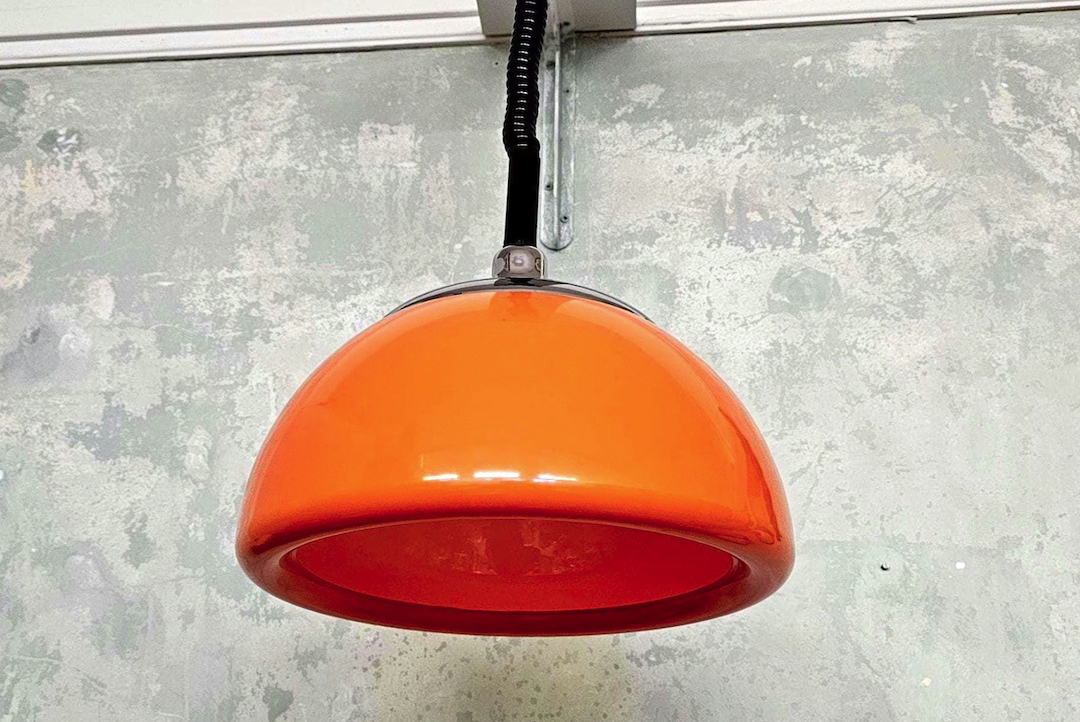
Glass was a favored material for lamp shades during the 1970s, and orange-tinted glass was particularly popular. This glass, ranging from opaque to translucent, served to diffuse the light source, preventing harsh glare and creating a soft, ambient illumination. The color of the glass itself became an integral part of the light’s character, imbuing it with its characteristic warmth even when the lamp was switched off.
Types of Orange Glass
- Alabaster Orange: Often used for a softer, more diffused light, alabaster glass provided a milky, almost creamy orange hue.
- Cased Glass: This technique involved layering different colors of glass, with the orange often on the outside, creating depth and a richer luminescence.
- Tinted Opal Glass: Similar to alabaster, but with a more distinct orange tone, this provided good light diffusion while maintaining a clear color.
Ceramic and Plastic Bases: Sculptural and Vibrant
Beyond the shades, the bases of 1970s lamps also embraced the sunset orange aesthetic. Ceramic and plastic were common materials, often molded into organic, sculptural forms that complemented the warm lighting. These bases acted as visual anchors, their vibrant orange color drawing attention and contributing to the overall decorative scheme.
Sculptural Forms
The lamps were not merely functional objects but also decorative pieces. Bases were often bulbous, rounded, or featured geometric patterns, reflecting the era’s interest in fluid lines and bold shapes. The orange color intensified these forms, making the lamps stand out as points of visual interest.
Textured Finishes
Some ceramic bases featured textured finishes, such as crackle glaze or raised patterns, which further manipulated the way light played across their surfaces. This added a tactile dimension to the visual experience and enhanced the warm glow.
Accent Lighting: Highlighting and Ambiance
Sunset orange was not solely confined to prominent lamps. It also found its way into accent lighting solutions, designed to highlight specific features or create atmospheric pockets of warmth within a room.
Wall Sconces
Many residential and commercial interiors featured wall sconces that emitted orange-toned light. These were often positioned to cast light upwards, downwards, or both, creating dramatic shadows and drawing attention to architectural details or artwork. The subdued glow from sconces was particularly effective in hallways, stairwells, and lounge areas, contributing to a sense of sophisticated intimacy.
Picture Lights
For art enthusiasts, picture lights with an orange hue were employed to illuminate artwork. This was a departure from the cooler, more neutral light often used for accurate color representation, suggesting a focus on creating a warm, evocative display rather than a purely objective one. The orange light would lend a warm cast to paintings and photographs, altering their perceived mood.
Integrated Lighting Features
In some more elaborate interior designs, orange lighting was integrated directly into architectural elements. This could include illuminated shelves, cove lighting, or even colored light panels embedded in walls or ceilings. These integrated features contributed to a cohesive and immersive retro aesthetic.
The Materiality of 1970s Orange Lighting
The materials used in 1970s lighting fixtures were crucial in achieving the characteristic sunset orange glow. The interaction between the light source and the materials created a tangible quality to the warmth.
Frosted and Tinted Glass
As mentioned previously, glass was a dominant material. The degree of frosting and the intensity of the orange tint were carefully calibrated. Frosted glass, for example, softened the light, spreading it evenly and creating a diffused, hazy effect, much like the fading light of dusk. Tinted glass directly colored the light passing through it, creating a richer, more saturated orange.
The “Halo” Effect
When translucent orange glass was used, it often produced a desirable “halo” effect. The light would appear to emanate softly from the edges of the shade or diffuser, creating a gentle illumination that seemed to wrap around the fixture itself. This was a subtle yet important aspect of the overall ambiance.
Plastics and Acrylics: Modernity Meets Warmth
While glass was traditional, plastics and acrylics represented the more modern face of 1970s design. These materials offered flexibility in form and color saturation.
Translucent Plastics
Translucent orange plastics allowed light to pass through, creating a warm glow. They were often used in more contemporary lamp designs, offering a sleek and durable alternative to glass.
Formability for New Shapes
The moldability of plastics allowed for innovative and often bold lamp designs that might have been difficult or impossible to achieve with glass. This contributed to the era’s embrace of unconventional forms.
Resin and Fiberglass
In some decorative lighting elements, resin and fiberglass were used, often in brightly colored, opaque forms. These materials could be molded into unique shapes and were sometimes used for ceiling fixtures or decorative panels, contributing to a more playful and vibrant aspect of the orange lighting trend.
Metal Finishes: Accentuating the Hue
While the colored glass or plastic was primary, metal components also played a role. Brass and chrome were common, but finishes that complemented the orange were often chosen.
Brushed Brass
Brushed brass offered a warm, matte finish that harmonized with sunset orange light. It avoided the harshness of polished brass and added a subdued elegance.
Bronze and Copper Tones
In some instances, bronze or copper-toned metals were used, further enhancing the warm, earthy feel associated with the orange hues. These metals often developed a patina over time, adding to their retro appeal.
The Cultural Context: Why Orange?
The embrace of sunset orange lighting in the 1970s was intrinsically linked to the broader cultural zeitgeist. It reflected a shift in values and a desire for specific emotional responses in domestic environments.
A Counterpoint to Fluorescent Coolness
The mid-20th century had seen the rise of fluorescent lighting, often associated with commercial and institutional spaces. Fluorescent lights typically emitted a cooler, whiter light, which, while efficient, could feel sterile and impersonal. The move towards warmer, softer lighting represented a deliberate departure from this, a desire to imbue homes with a more human, inviting quality. Sunset orange became the embodiment of this warm embrace.
The “Home Sweet Home” Sentiment
As society grappled with rapid changes, there was a renewed emphasis on the home as a refuge and a place of comfort. Sunset orange lighting contributed to this sense of “home sweet home” by creating an atmosphere of security and relaxation. It was an attempt to cultivate a visual warmth that mirrored a feeling of emotional security.
The Influence of Exoticism and Global Styles
The 1970s also saw an increased interest in exoticism and global interior design influences. Warm color palettes found in Moroccan, Indian, and other cultures resonated with a desire for richer, more vibrant aesthetics. Sunset orange, with its connection to sun-drenched landscapes, fit well within this trend.
Earth Tones and Naturalism
Beyond exoticism, there was a broader appreciation for earth tones and naturalistic design. Orange, red, and brown hues were prevalent, reflecting a desire to bring the outdoors in and create a grounding, organic feel. Sunset orange lighting amplified this connection to earthy palettes.
The “Groovy” Factor: A Dash of Playfulness
While comfort and sanctuary were key, there was also an undeniable element of playfulness and distinctiveness in 1970s design. Sunset orange lighting was vibrant and eye-catching, adding a touch of “groovy” flair to interiors. It was a statement color, an element that contributed to the era’s unique visual identity.
A Break from Monotony
In a world often perceived as becoming increasingly homogenized, the bold choices of the 1970s, including the prominent use of colors like sunset orange, offered a welcome break from monotony. It was a deliberate embrace of personality and individuality in the domestic sphere.
Legacy and Resurgence: The Enduring Appeal of Sunset Orange
While the direct embrace of 1970s retro style lighting might have faded with the onset of new decades, the principles and the aesthetic appeal of sunset orange lighting have demonstrated a remarkable longevity and a consistent ability to resurface in contemporary design. The inherent warmth and inviting nature of this color have proven to be timeless qualities.
The Continuous Thread in Interior Design
Even as design trends evolved through the 1980s and 1990s, elements of warm lighting persisted. The desire for ambiance and comfort never truly disappeared. Contemporary design often reinterprets vintage trends, and sunset orange lighting has been a prime candidate for such reinterpretation. Designers today, just as those in the 1970s, recognize the power of light to shape mood and create inviting spaces.
Nostalgia and Retro Revival
The cyclical nature of design trends means that periods like the 1970s are periodically revisited with a surge of nostalgic interest. This retro revival sees contemporary designers and consumers seeking out authentic vintage pieces or creating new interpretations inspired by the past. Sunset orange lighting fixtures and the evocative mood they create are central to this revival.
Modern Applications and Adaptations
Today, the influence of sunset orange lighting can be seen in various forms, often adapted for modern sensibilities and technologies.
Smart Lighting and Color-Changing LEDs
The advent of smart lighting technology, particularly color-changing LEDs, has democratized the ability to experience different lighting moods. Users can now easily select shades of orange to mimic the 1970s aesthetic, offering a flexible and dynamic approach to retro-inspired lighting. This allows for experimentation without the need for permanent fixture changes.
Creating Ambiance on Demand
With smart bulbs, one can instantly transform a space from cool and functional to warm and inviting with a few taps on a smartphone. This adaptability makes the sunset orange “experience” accessible to a wider audience, allowing for tailored moods for different occasions.
Contemporary Fixture Designs
Contemporary lighting manufacturers are also drawing inspiration from 1970s forms and colors. You can find modern lamps and pendants that echo the shapes of vintage fixtures, often incorporating tinted glass or warm-toned finishes that evoke the sunset orange of the past. These are not direct replicas but rather contemporary nods to a beloved era.
Updated Materials and Technology
These modern interpretations often utilize updated materials and incorporate energy-efficient LED technology, offering the aesthetic appeal of the 1970s with the benefits of modern innovation. This blend of old and new creates lighting solutions that are both stylish and practical.
The Enduring Psychological Resonance
Ultimately, the lasting appeal of sunset orange lighting lies in its profound psychological resonance. The comfort, warmth, and sense of well-being it conveys are universal human desires. In a world that often feels fast-paced and demanding, the ability of light to create a sanctuary, a place of calm and connection, remains invaluable. The sunset orange glow of the 1970s continues to offer a comforting reminder of simpler times and a potent tool for cultivating inviting and characterful living spaces. It stands as a testament to how color and light can not only illuminate but also deeply enrich our environments and our experiences within them. The echo of that warm, golden hour continues to resonate, proving that some styles, like a perfectly timed sunset, are simply timeless.