Miniature Pendant Lights: Small Kitchen Lighting Solutions
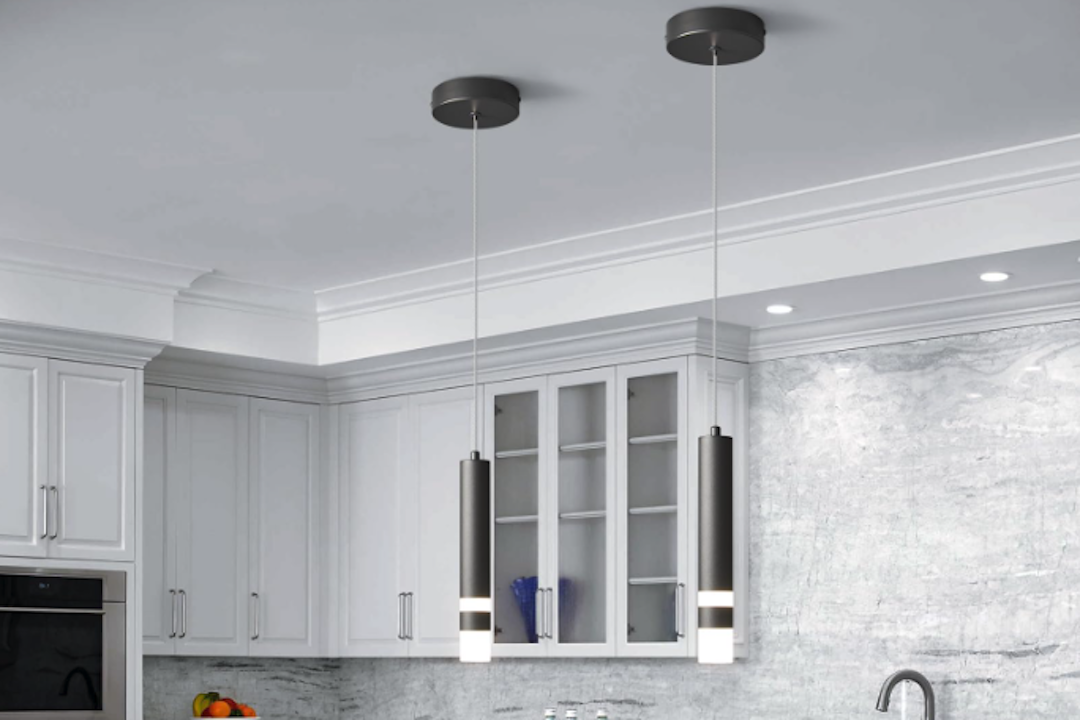
Miniature pendant lights offer a practical and aesthetically pleasing solution for illuminating small kitchens. Their compact size allows for strategic placement without overwhelming the space, providing focused light where it is most needed. Unlike larger fixtures, miniature pendants contribute to a sense of openness and can enhance the perceived dimensions of a limited kitchen area.
The inherent characteristics of miniature pendant lights Fasuhouse make them particularly well-suited for smaller culinary environments. Their reduced physical presence means they do not dominate the visual field, a crucial consideration in spaces where maintaining an airy feel is a priority. This allows the rest of the kitchen’s design elements, such as cabinetry, countertops, and backsplashes, to take center stage without being overshadowed. Moreover, the directed nature of pendant lighting ensures that task areas, like countertops and the stovetop, receive adequate illumination.
Maximizing Visual Space
In a small kitchen, every inch of visual real estate matters. Large, bulky overhead fixtures can visually shrink a room, making it feel cramped. Miniature pendants, by contrast, act as discreet sources of light. They are like the quiet artists of the lighting world, adding their touch without demanding the spotlight. Their scale is proportionate to the environment, preventing them from becoming focal points that detract from the overall spaciousness. This thoughtful application of scale is key to creating an illusion of greater depth and breadth.
Targeted Illumination for Functionality
Small kitchens often require a highly functional lighting scheme. This is not just about ambient light; it’s about ensuring that specific tasks can be performed safely and efficiently. Miniature pendant lights excel at this. By hanging a few strategically placed pendants over key work zones, you can create pools of bright, focused light. This is particularly useful for:
Countertop Illumination
Illuminating countertops is paramount for food preparation. Miniature pendants hung at an appropriate height can cast direct light onto the work surface, eliminating shadows and making chopping, dicing, and assembling meals a far more pleasant and precise activity.
Island or Peninsula Lighting
Even in a small kitchen, a compact island or peninsula can serve as a valuable prep area or informal dining spot. Miniature pendants, often hung in a linear arrangement, can define this zone and provide essential task lighting for its occupants.
Sink and Stovetop Lighting
These are critical work areas where adequate visibility is non-negotiable. A well-placed miniature pendant above the sink or stovetop ensures that tasks like washing dishes or monitoring cooking are performed with confidence and clarity.
Aesthetic Versatility
Beyond their practical benefits, miniature pendant lights offer a wide range of aesthetic possibilities that can complement and enhance various kitchen design styles. Their diverse designs, materials, and finishes allow them to seamlessly integrate into or act as accents within a small kitchen’s décor.
Material Options
The choice of materials for miniature pendants is extensive.
Glass
Glass pendants, from clear to frosted to colored, can diffuse light beautifully, creating a soft glow or a more subtle illumination. Delicate seeded glass can add texture and visual interest without being overpowering.
Metal
Metal pendants, such as brushed nickel, polished chrome, matte black, or antique brass, offer a more contemporary or industrial feel. The finish can significantly impact the overall style, from sleek and modern to warm and traditional.
Ceramic
Ceramic pendants can introduce a touch of organic warmth and texture, often resembling small pottery pieces. They can lend themselves well to a farmhouse or minimalist aesthetic.
Other Materials
Some miniature pendants incorporate natural materials like wood or concrete, offering unique textural qualities and contributing to specific design themes.
Style Adaptability
Miniature pendants are not confined to a single style.
Modern and Minimalist
Clean lines, simple shapes, and neutral colors in materials like metal or glass are characteristic of modern and minimalist miniature pendants. They are ideal for kitchens where a sleek and uncluttered aesthetic is desired.
Industrial
Pendants with exposed bulbs, metal cages, or a distressed finish evoke an industrial vibe. These can add a touch of grit and character to a small kitchen.
Farmhouse
Pendants with vintage-inspired designs, such as enamel shades or seeded glass, can enhance a farmhouse kitchen’s charm and rustic appeal.
Transitional
These designs blend elements of traditional and contemporary styles, offering a balanced and versatile option that works with a wide range of kitchen décors.
Selecting the Right Miniature Pendant Lights for Your Space
Choosing the most suitable miniature pendant light involves considering several factors beyond just aesthetics. The size of the kitchen, the existing décor, and the intended function of the lighting all play a role in making an informed decision. The goal is not merely to install lights, but to orchestrate them to serve the room’s purpose effectively.
Understanding Scale and Proportion
The “miniature” aspect is crucial. While these are small lights, their scale relative to the kitchen is paramount. A pendant that is too small might be lost, while one that is still too large can still overwhelm the space.
Measuring the Kitchen
Before purchasing, measure the dimensions of your kitchen. This will give you a baseline for how many pendants you can comfortably fit and what their overall footprint will be. Consider the ceiling height; lower ceilings may accommodate slightly smaller pendants or require them to be hung higher.
Considering Work Zones
Think about the key work zones that require illumination. This will influence the number of pendants and their placement. For instance, a lengthy countertop might benefit from multiple, evenly spaced pendants.
Determining the Number of Pendants
The number of miniature pendant lights needed will depend on the size of the area to be lit and the desired effect. It’s often a case of “less is more” in small spaces.
Single Pendant Application
In very small kitchens or for accentuating a particular feature, a single, well-chosen miniature pendant can be effective. This might be above a small sink or a compact breakfast bar.
Series of Pendants
For longer countertops or work areas, a series of two or three miniature pendants can provide more comprehensive coverage. The spacing between them should be balanced to avoid creating hot spots or dark gaps.
Grouping for Impact
Sometimes, a cluster of three or five miniature pendants of the same or complementary designs can create a more substantial visual statement while still maintaining a sense of delicacy. This is often seen over a small island.
The Importance of Light Quality and Color Temperature
The type of light emitted by a miniature pendant is as important as its appearance. This relates to both the brightness (lumens) and the warmth or coolness of the light (color temperature).
Lumens and Brightness
Consider the lumen output of the bulb. For task lighting, you’ll want a brighter light, often in the range of 450-800 lumens per pendant. For ambient or accent lighting, lower lumen outputs may suffice. The cumulative lumen output from multiple pendants should be sufficient to light the entire kitchen adequately.
Color Temperature (Kelvin)
Color temperature, measured in Kelvin (K), affects the mood of the kitchen.
Warm White (2700K – 3000K)
This is similar to incandescent bulbs and creates a cozy, inviting atmosphere. It’s generally preferred for kitchens to make the space feel welcoming.
Neutral White (3500K – 4000K)
This provides a more balanced, natural-looking light that is good for task areas as it doesn’t cast strong color casts.
Cool White (5000K and above)
This provides a crisp, bright light that can make a space feel more modern or sterile. It’s less common in residential kitchens for ambient lighting but can be useful for very specific task lighting needs where clarity is paramount.
Installation Considerations for Miniature Pendant Lights
Proper installation is key to both the functionality and safety of miniature pendant lights. While some installations might be straightforward, others can involve electrical work that is best left to professionals. The goal is to ensure the fixtures are securely mounted and positioned optimally.
Placement for Optimal Functionality
The precise placement of miniature pendants can dramatically impact their effectiveness. Think of this as charting a course for your light.
Working with Room Layout
The arrangement of cabinetry, appliances, and doorways will dictate the best positions for your pendants to avoid obstruction and maximize coverage.
Ceiling Height Considerations
The distance from the ceiling to the bottom of the pendant is critical.
Standard Ceilings
For standard 8-foot ceilings, aim for the bottom of the pendant to be around 6 to 7 feet from the floor, ensuring it doesn’t obstruct views or head height.
Higher Ceilings
In kitchens with higher ceilings, pendants can be hung lower for more direct task lighting or to create a more layered lighting effect.
Lower Ceilings
For lower ceilings, ensure pendants are hung high enough to avoid being a hazard. Consider flush-mount or semi-flush-mount options if true pendant lighting is too restrictive.
Electrical Requirements and Safety
Working with electricity requires caution and adherence to safety standards. If you are not experienced with electrical work, it is strongly advisable to hire a qualified electrician.
Existing Wiring
Assess whether you have existing junction boxes in the desired locations. If not, new wiring will need to be run.
Dimmer Switches
Consider installing dimmer switches. This allows for adjustable light levels, enabling you to control the ambiance and intensity of the lighting as needed. This flexibility is particularly valuable in a multi-functional small kitchen.
Professional Installation
For any significant electrical work, including running new wires or modifying existing circuits, always consult a licensed electrician. They will ensure the installation is up to code and safe.
Bulb Type and Compatibility
The type of bulb used in a miniature pendant light is crucial for both light quality and energy efficiency.
LED Bulbs
LED bulbs are highly recommended for miniature pendant lights due to their energy efficiency, long lifespan, and the wide variety of available color temperatures and brightness levels. They also produce less heat, which is beneficial in a confined space.
Halogen and Incandescent Bulbs
While these are options, they are generally less energy-efficient and produce more heat than LEDs. Ensure the pendant fixture is compatible with the chosen bulb type.
Enhancing Mood and Ambiance with Miniature Pendants
Beyond their functional role, miniature pendant lights can significantly contribute to the overall atmosphere of a small kitchen. They are the subtle brushstrokes that set the mood. By carefully selecting the style, material, and placement, you can transform a purely utilitarian space into an inviting and aesthetically pleasing part of your home.
Creating Layers of Light
Effective lighting in any space, especially a small kitchen, involves the strategic layering of different light sources. Miniature pendants are a key component in achieving this.
Ambient Lighting
While miniature pendants are often used for task lighting, a series of them can also provide a significant portion of the kitchen’s ambient light, especially when designed with diffusers.
Task Lighting
As discussed previously, this is a primary strength of miniature pendants, providing focused illumination directly onto work surfaces.
Accent Lighting
In some cases, a miniature pendant with a unique design or a striking material can serve as an accent piece, drawing the eye and adding a decorative element to the kitchen.
The Role of Dimmer Switches
Dimmer switches are invaluable tools for controlling the mood and functionality of miniature pendant lighting. They allow the user to adapt the lighting to different times of day and activities.
Adjusting for Evening Ambiance
In the evening, dimming the pendants can create a softer, more intimate atmosphere, perfect for a quiet meal or relaxing after dinner.
Brighter for Food Preparation
During the day or for more demanding tasks, the lights can be fully brightened to ensure optimal visibility and safety.
Considering the Visual Impact of Groups
When using multiple miniature pendants, their collective visual impact can be quite pronounced. This is an opportunity to create a design statement.
Synchronized Designs
Using identical pendants in a uniform pattern creates a sense of order and sophistication. This is particularly effective over a linear workspace.
Contrasting or Complementary Designs
Mixing and matching pendants with subtle differences in style or finish can add visual interest and a more eclectic feel, but care must be taken to ensure they remain cohesive. Think about how different melodies can harmonize to create a richer sound.
The Impact of Spacing
The distance between grouped pendants is as important as their design. Close spacing can create a more dramatic effect, while wider spacing promotes a sense of openness.
Beyond the Basics: Creative Uses of Miniature Pendant Lights
While their primary function is illumination, miniature pendant lights offer a surprising amount of creative potential in small kitchens. They can be used to define zones, add decorative flair, and even influence the perceived size of the space.
Defining Zones Within the Kitchen
In open-plan living areas where the kitchen is integrated, miniature pendants can subtly delineate the kitchen area from the living or dining spaces.
Over a Breakfast Bar
A series of miniature pendants hung over a small breakfast bar or an extension of the countertop can clearly mark this as a distinct functional zone.
As a Separator for an Open Layout
In a studio apartment or a very compact home, a carefully placed line of pendants can act as a visual divider, signaling the transition from the kitchen to another living space.
Adding Decorative Accents
Miniature pendants are inherently decorative, but their placement can be elevated to enhance the kitchen’s aesthetic appeal.
As a Focal Point
A single, uniquely designed miniature pendant can become a focal point, drawing the eye and adding personality to an otherwise simple kitchen.
Enhancing Architectural Features
Placed strategically, pendants can highlight interesting architectural elements like a textured backsplash or a decorative vent hood.
The Element of Surprise
Sometimes, an unexpected placement, such as a single pendant hanging over a particularly attractive plant or a piece of artwork, can add a delightful touch.
Influencing Perceived Space
The clever use of miniature pendants can play tricks with the perception of space, making a small kitchen feel larger.
Vertical Emphasis
Hanging pendants lower than expected can draw the eye downwards, making the ceiling appear higher. Conversely, hanging them higher can emphasize verticality.
Creating a Sense of Depth
When arranged in a series, the graduated spacing can create an illusion of depth, making the kitchen feel less confined.
Incorporating Smart Technology
The integration of smart home technology extends to lighting, offering new possibilities for control and convenience with miniature pendant lights.
App-Controlled Dimming and Color Changing
Many modern miniature pendants are compatible with smart home systems, allowing for control via a smartphone app. This can include adjusting brightness, color temperature, and even setting schedules.
Voice Control Integration
Integrating with voice assistants like Amazon Alexa or Google Assistant allows for hands-free control of the pendant lights, adding a layer of convenience to kitchen tasks.
Energy Monitoring
Some smart lighting systems offer energy monitoring features, helping you track electricity consumption and identify potential savings.
By understanding the various applications and possibilities of miniature pendant lights, homeowners and designers can effectively utilize these compact fixtures to create functional, aesthetically pleasing, and perceptually larger small kitchens.