Medieval-Inspired Modern Wall Lamp: A Timeless Touch for Any Space
Medieval-inspired design originates from the Middle Ages, spanning approximately the 5th to late 15th centuries. This period featured significant cultural, artistic, and architectural developments shaped by the feudal system, the Catholic Church’s expansion, and growing trade networks. The Gothic architectural style developed during this era, distinguished by pointed arches, ribbed vaults, and flying buttresses that provided both structural support and created dramatic interior spaces in cathedrals and castles.
Stone carvings and stained glass windows from this period depicted religious subjects and scenes from daily life, demonstrating the integration of art with spiritual beliefs and social structures. During the transition to the Renaissance, medieval design elements underwent transformation while maintaining lasting influence. The Renaissance revival of classical principles introduced emphasis on symmetry and proportion, though medieval aesthetic components remained prominent.
Materials such as oak wood, wrought iron, and woven tapestries continued as primary elements in interior design. Artisans integrated medieval decorative motifs into furniture and applied arts, creating stylistic combinations that influenced later Baroque and Rococo movements. Understanding this historical development provides context for contemporary interpretations of medieval-inspired design, which draws upon the period’s emphasis on skilled craftsmanship and narrative artistic expression.
The Modern Interpretation of Medieval Aesthetics
In recent years, there has been a resurgence of interest in medieval aesthetics, particularly within the realms of interior design and architecture. Modern interpretations often draw upon the romanticism associated with the Middle Ages, emphasizing elements such as rustic charm, artisanal craftsmanship, and a connection to nature. Designers today are reimagining medieval motifs through a contemporary lens, blending traditional materials with modern techniques to create pieces that resonate with both historical significance and current sensibilities.
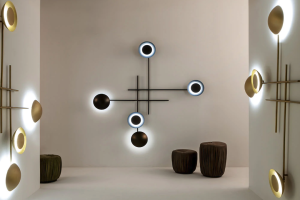
This approach allows for a unique dialogue between past and present, where the elegance of medieval design can coexist with modern functionality. One notable trend is the incorporation of medieval-inspired elements into minimalist spaces. For instance, a simple wall lamp featuring wrought iron detailing can serve as a striking focal point in an otherwise understated room.
This juxtaposition highlights how medieval design can enhance contemporary aesthetics without overwhelming them. Additionally, color palettes inspired by medieval tapestries—rich jewel tones like deep reds, greens, and blues—are being used to evoke warmth and depth in modern interiors. By thoughtfully integrating these elements, designers are able to create spaces that feel both timeless and relevant.
The Functionality of a Medieval-Inspired Wall Lamp
Medieval-inspired wall lamps are not merely decorative; they serve practical purposes that align with their historical counterparts. In the Middle Ages, lighting was a luxury that often came from candles or oil lamps, which were mounted on walls to maximize space and provide illumination in dimly lit rooms. Today’s interpretations maintain this functional aspect while incorporating modern technology such as LED lighting for energy efficiency.
The design of these lamps often reflects the craftsmanship of the past, featuring intricate metalwork or glass elements that harken back to their historical origins. Moreover, the functionality of a medieval-inspired wall lamp extends beyond mere illumination. These fixtures can create ambiance and mood within a space, enhancing the overall aesthetic experience.
For example, a wall lamp with a flickering candle-like effect can evoke a sense of nostalgia and warmth reminiscent of a medieval banquet hall. Additionally, many modern designs include adjustable features that allow users to direct light where it is needed most, making them suitable for various activities such as reading or entertaining. This blend of historical charm and contemporary practicality makes medieval-inspired wall lamps an appealing choice for those looking to add character to their homes.
How to Incorporate a Medieval-Inspired Wall Lamp in Your Home
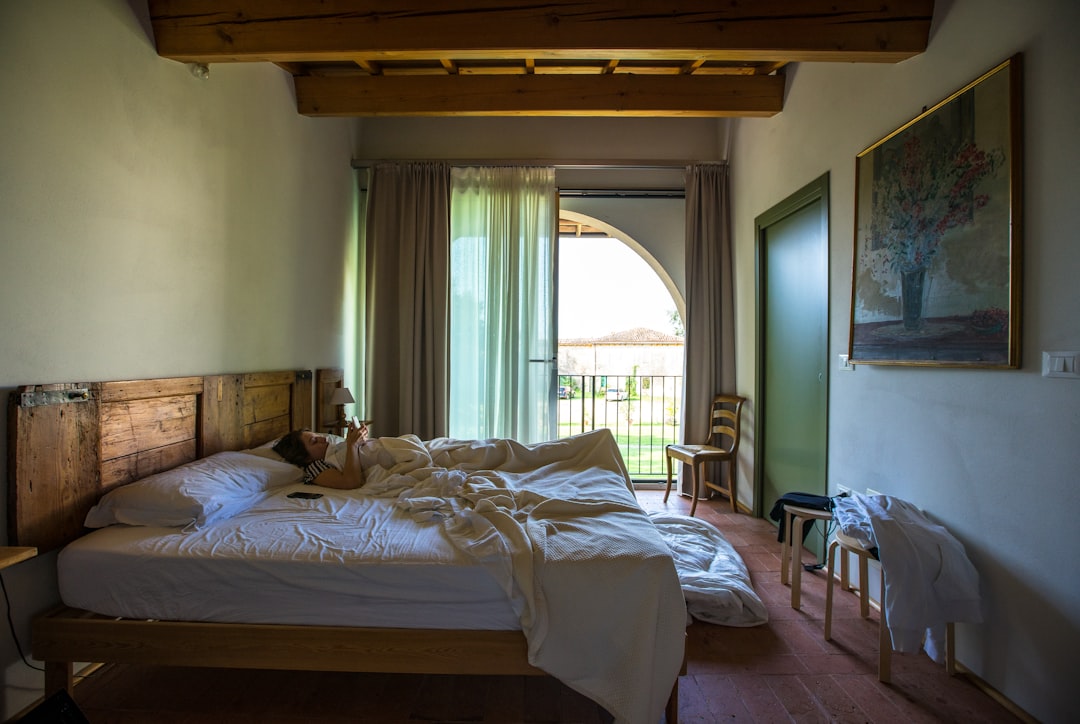
Incorporating a medieval-inspired wall lamp into your home can be an exciting endeavor that adds depth and character to your interior design. One effective approach is to consider the overall theme of your space. If your home features rustic elements such as exposed beams or stone walls, a wrought iron wall lamp with intricate detailing can seamlessly blend into the environment while enhancing its historical narrative.
Conversely, in more modern settings, these lamps can serve as statement pieces that draw attention and spark conversation. Placement is crucial when integrating these lamps into your decor. A well-placed wall lamp can highlight architectural features or artwork while providing functional lighting.
For instance, mounting a medieval-inspired lamp above a piece of artwork can create an eye-catching focal point that draws the eye upward. Additionally, consider using these lamps in unexpected areas such as hallways or staircases; their unique designs can transform otherwise overlooked spaces into visually engaging experiences. By thoughtfully considering both style and placement, you can create an inviting atmosphere that celebrates the beauty of medieval-inspired design.
Choosing the Right Placement for Your Wall Lamp
Selecting the right placement for your medieval-inspired wall lamp is essential for maximizing its impact within your space. A common guideline is to install wall lamps at eye level—typically around 60 inches from the floor—to ensure they provide adequate illumination while remaining visually appealing. However, this can vary depending on the specific function of the lamp; for example, if it is intended for reading or task lighting, it may be beneficial to position it slightly lower for optimal light distribution.
In addition to height considerations, think about the surrounding elements in your room. A wall lamp can be used to accentuate architectural features such as archways or niches. Placing a lamp on either side of a doorway can create symmetry and enhance the entryway’s grandeur.
Furthermore, consider how the lamp interacts with other light sources in the room; layering different types of lighting—ambient, task, and accent—can create a dynamic atmosphere that highlights your medieval-inspired design choices while ensuring functionality.
The Versatility of Medieval-Inspired Design in Different Spaces
Medieval-inspired design is remarkably versatile and can be adapted to various spaces within a home or commercial setting. In living rooms, for instance, wall lamps can complement traditional furnishings such as wooden armoires or upholstered chairs with ornate patterns. The warm glow emitted by these lamps can create an inviting atmosphere perfect for gatherings or quiet evenings spent reading by the fire.
In dining areas, medieval-inspired wall lamps can enhance the overall dining experience by providing soft lighting that encourages conversation and relaxation. When paired with rustic wooden tables or wrought iron chandeliers, these lamps contribute to an ambiance reminiscent of grand feasts held in castle halls centuries ago. Moreover, even in more contemporary settings like offices or creative studios, incorporating elements of medieval design can add character and inspire creativity.
A well-placed wall lamp can serve as both a functional light source and an artistic statement piece that reflects personal style.
Maintenance and Care for Your Medieval-Inspired Wall Lamp
Maintaining your medieval-inspired wall lamp is essential for preserving its beauty and functionality over time. Regular cleaning is crucial; dust accumulation can dull the intricate details that make these lamps so appealing. For metal fixtures, using a soft cloth dampened with mild soap and water is often sufficient to remove dirt without damaging the finish.
Avoid abrasive cleaners or scrubbing pads that could scratch the surface; instead, opt for gentle cleaning methods that respect the craftsmanship involved in creating these pieces. Additionally, if your wall lamp features glass components—such as shades or decorative elements—ensure they are cleaned regularly to maintain clarity and brilliance. A mixture of vinegar and water can effectively clean glass without leaving streaks behind.
It’s also important to check electrical components periodically; replacing bulbs promptly when they burn out not only ensures consistent lighting but also prevents potential damage to the fixture itself. By investing time in maintenance, you can enjoy your medieval-inspired wall lamp for years to come.
Where to Find Quality Medieval-Inspired Wall Lamps
Finding quality medieval-inspired wall lamps requires some exploration but can yield rewarding results for those seeking authentic pieces that reflect this timeless aesthetic. Antique shops often house unique finds that carry historical significance; however, it’s essential to verify authenticity when purchasing vintage items. Reputable dealers will provide provenance information that confirms the piece’s age and origin.
For those preferring new designs inspired by medieval aesthetics, numerous online retailers specialize in artisanal lighting fixtures that capture the essence of this style while incorporating modern technology. Websites dedicated to handcrafted goods often feature artisans who create bespoke pieces using traditional techniques combined with contemporary sensibilities. Additionally, home decor stores may offer curated collections that include medieval-inspired designs alongside other styles, allowing you to explore various options before making a decision.
By understanding where to look and what qualities to seek in these lamps—such as craftsmanship, material authenticity, and design integrity—you can find pieces that not only illuminate your space but also tell a story reflective of their rich historical roots.