Wireless Battery-Powered Wall Lights: Illuminating Spaces Without Junction Boxes
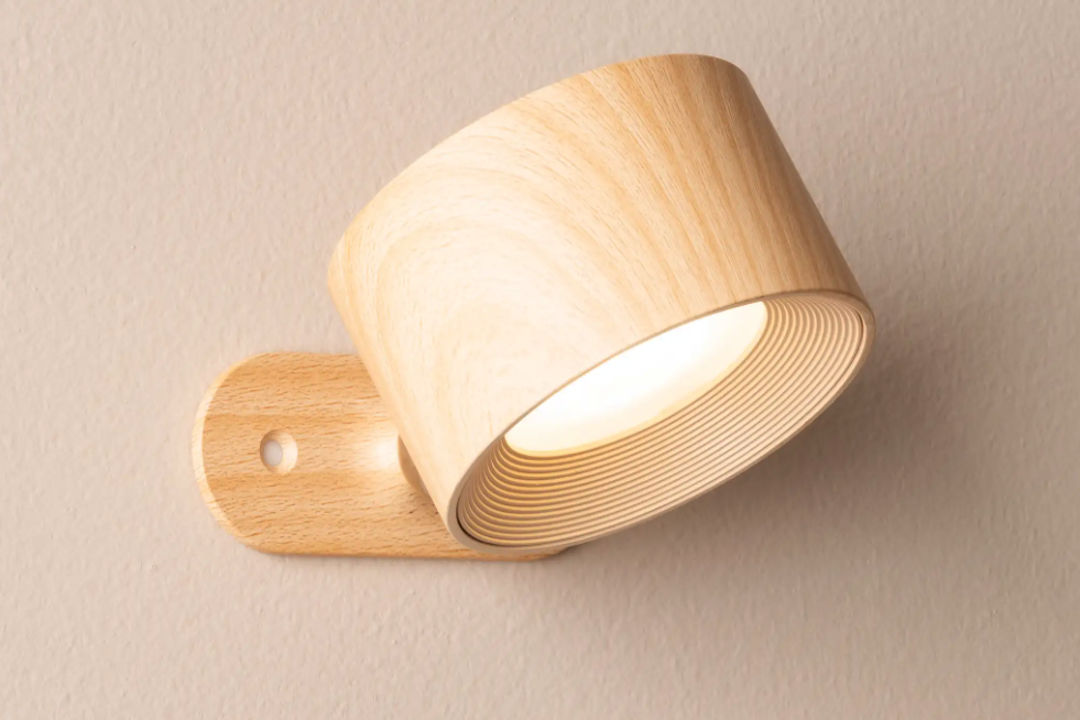
Let’s dive into the world of wireless, battery-powered wall lights. Simply put, these handy gadgets are exactly what they sound like: light fixtures designed to be mounted on your wall without needing to be hardwired into your home’s electrical system. This means no fiddling with junction boxes, no calling an electrician for complex wiring, and a whole lot more flexibility in where you can add light. They run on batteries, which you’ll need to replace or recharge periodically, offering a straightforward solution for illuminating those awkward or inaccessible spots.
The biggest draw of battery-powered wall lights Oneizy is their incredible versatility. Think about all those places in your home or even outdoors where a traditional wired light just isn’t practical or even possible.
Freedom from Electrical Constraints
Imagine wanting a sconce in a hallway that has no existing wiring, or adding a stylish accent light to a bookshelf without tearing into your drywall. Wireless lights make this a reality. They sidestep the entire electrical infrastructure, freeing you from the limitations of junction box placement and conduit runs. This is particularly useful for renters who can’t make permanent modifications, or for homeowners looking for a quick and easy lighting upgrade.
Effortless Installation
This is where these lights truly shine. Forget about hiring an electrician or spending hours watching DIY wiring tutorials. Most battery-powered wall lights can be installed in minutes with basic tools, often just a screwdriver. Many come with adhesive backing or simple mounting brackets. This ease of installation makes them a fantastic option for anyone who wants to enhance their lighting without the hassle and expense of traditional electrical work.
Portable Lighting Solutions
Because they aren’t tied to a power outlet, many of these lights are quite portable. While designed for wall mounting, the ability to remove them for temporary use elsewhere, or to easily relocate them if your decor changes, is a significant advantage. This makes them great for temporary lighting needs during a power outage, or for taking with you if you move.
Where Wireless Wall Lights Really Shine
These lights are more than just a novelty; they solve real lighting problems in a variety of settings.
Hallways and Stairwells
Often, these areas are dimly lit or have inconveniently placed light switches. A battery-powered wall light can provide a welcome glow, enhancing safety and aesthetics without the need for extensive wiring. Motion-activated options are particularly useful here, saving battery life and ensuring light when you need it most.
Closets and Pantries
Ever fumbled in a dark closet for a specific item, or wished for better visibility in your pantry? Wireless lights are a godsend in these enclosed spaces. They illuminate shelves and corners that traditional ceiling lights often miss, making it easier to find what you’re looking for.
Accent Lighting and Decor
Want to highlight a piece of art, illuminate a bookshelf, or add some ambiance to a specific corner of a room? Battery-powered wall lights are perfect for this. Their discreet nature and easy placement allow you to create focused lighting effects without the clutter of wires or the expense of professional installation. They can transform the feel of a room without a major overhaul.
Outdoor Spaces (Under Covered Areas)
While not all models are rated for full outdoor exposure, many are suitable for sheltered areas like porches, patios, or sheds. They can provide subtle task lighting or create a welcoming atmosphere without needing an outdoor electrical outlet, which can be expensive and complex to install. Always check the IP rating (Ingress Protection) if you plan to use them outdoors.
Renters and Temporary Setups
For anyone living in a rental property where permanent electrical modifications are off-limits, battery-powered wall lights are a game-changer. They offer a way to personalize and improve lighting without violating a lease agreement. Similarly, for pop-up shops, temporary events, or even just redecorating, their non-permanent nature is a huge plus.
Understanding Battery Types and Lifespan
The heart of any battery-powered device is, of course, its battery. Knowing what to expect here is crucial for managing your expectations and maintenance.
Disposable vs. Rechargeable Batteries
You’ll generally find two main categories:
- Disposable Batteries: These are your standard AA, AAA, C, or D cell batteries. They are widely available and simple to replace. The main downside is the ongoing cost and environmental impact of discarding used batteries.
- Rechargeable Batteries: Many modern wireless lights come with built-in rechargeable batteries (often lithium-ion) or are designed to work with rechargeable versions of standard battery sizes. While the initial cost might be slightly higher, they save money and reduce waste in the long run. They typically charge via a USB cable.
Factors Affecting Battery Lifespan
Don’t expect your batteries to last forever. Several things will influence how long you get between changes or charges:
- Brightness Setting: Higher brightness levels consume more power, shortening battery life. Many lights offer adjustable brightness, allowing you to prioritize longevity if needed.
- Usage Frequency: A light that’s on for 30 minutes every day will obviously drain its battery faster than one used for 5 minutes once a week. Motion-sensor lights, while convenient, can drain batteries quickly if they’re in a high-traffic area.
- Battery Quality: Not all batteries are created equal. High-quality alkaline or reputable brand rechargeable batteries will generally offer better performance and longevity.
- LED Efficiency: The efficiency of the LEDs themselves plays a role. Modern LEDs are incredibly efficient, which helps extend battery life significantly compared to older lighting technologies.
- Temperature: Extreme cold or heat can negatively impact battery performance and lifespan, especially for lithium-ion batteries.
Managing Battery Expectations
It’s realistic to expect disposable batteries to last anywhere from a few weeks to several months depending on usage. Rechargeable batteries might need charging every few days to once a month or longer, again, heavily dependent on how often the light is active. Think about the convenience tradeoff: you’re sacrificing long-term, set-and-forget power for immediate, flexible installation. This isn’t a flaw, just a characteristic of the technology.
Features to Look for in Wireless Wall Lights
Not all battery-powered wall lights are created equal. When you’re shopping, keep an eye out for these practical features to ensure you get a light that truly meets your needs.
Motion Sensing Capabilities
A fantastic feature for areas like hallways, closets, or stairwells. Motion sensors automatically turn the light on when movement is detected and off after a period of inactivity. This conserves battery life significantly and adds a layer of convenience and safety, especially for hands-free operation.
Adjustable Brightness and Color Temperature
Many lights offer different brightness levels, allowing you to choose between a subtle nightlight glow or more intense task lighting. Some advanced models also let you adjust the color temperature, from warm white (cozy) to cool white (energizing), matching the ambiance to your preference or time of day.
Timers and Dusk-to-Dawn Sensors
A built-in timer can be useful for turning the light off automatically after a set period, further extending battery life. Dusk-to-dawn sensors automatically activate the light when it gets dark and turn it off when it’s bright, perfect for outdoor accent lighting in covered areas.
Mounting Options
Consider how you want to attach the light. Common methods include:
- Adhesive Backing: Great for temporary placement or smooth surfaces, but might not be as secure for heavier lights or textured walls.
- Magnetic Mounts: Ideal if you have metal surfaces or want to easily remove the light for charging.
- Screw-in Brackets: Offers the most secure and permanent attachment, typically requiring a few small holes.
- Keyhole Slots: Allows for easy hanging on a screw head, making removal simple.
Aesthetic Design
While functionality is key, the look of the light matters too. These fixtures come in a wide array of styles, from sleek modern designs to more traditional or industrial looks. Choose something that complements your existing decor and blends seamlessly into your space.
IP Rating (for Outdoor Use)
If you’re considering using these lights outdoors, even under a covered area, check their IP (Ingress Protection) rating. This indicates how well the light is protected against dust and water. An IP44 rating is generally good for sheltered outdoor use, protecting against splashes. Higher numbers offer more robust protection.
Installation and Maintenance Tips
Getting your wireless wall lights up and running is usually straightforward, but a few pointers can make the process even smoother and ensure they last.
Pre-Installation Planning
Before you stick or screw anything to your wall, take a moment to plan:
- Test Placement: Hold the light up in different spots to see how it illuminates the area. Consider shadows, reflections, and overall aesthetic.
- Battery Check: Ensure the batteries are charged or new before installation. There’s nothing worse than getting it perfectly mounted only to find it doesn’t work.
- Surface Preparation: For adhesive mounts, clean the wall surface thoroughly to ensure good adhesion. For screw mounts, mark your drill holes accurately.
Simple Installation Steps
Most lights will follow a similar installation process:
- Open Battery Compartment: Insert or connect the batteries.
- Attach Mounting Bracket (if applicable): If it uses a bracket, secure it to the wall first. This might involve screws or adhesive.
- Attach Light Fixture: Once the bracket is in place, or if the light uses direct adhesive, press or slide the light onto the wall/bracket.
- Test: Turn the light on to confirm it’s working as expected.
Routine Maintenance for Longevity
To get the most out of your wireless wall lights, a little routine care goes a long way:
- Regular Battery Checks: Pay attention to dimming light, which is a common sign of low batteries. Replace or recharge promptly.
- Cleaning: Wipe the light fixture with a soft, dry cloth to remove dust and maintain its appearance. Avoid harsh chemicals, especially on plastic components.
- Sensor Cleaning: If your light has a motion or dusk-to-dawn sensor, occasionally wipe it to ensure it’s free of dust or obstructions that could impair its function.
- Adhesive Check: If using adhesive mounts, occasionally check that the light is still securely attached, especially in areas with humidity or temperature fluctuations.
Troubleshooting Common Issues
- Light Not Turning On: Check batteries first. Are they inserted correctly? Are they charged? Is the switch in the “on” position?
- Dim Light: Almost always a sign of low batteries.
- Motion Sensor Not Working: Ensure the sensor isn’t obstructed. Try resetting the light if it has a reset button or by temporarily removing batteries. Check if it’s in the right mode (e.g., “Auto” instead of “Always On”).
- Light Falls Off Wall: The adhesive might have failed due to a dirty surface, too much weight, or humidity. Try a stronger adhesive strip or consider screw mounting.
By following these practical tips, you can enjoy the convenience and flexibility of wireless battery-powered wall lights without any major headaches. They truly offer a practical solution for bringing light to those often-overlooked corners of your home.