Maximizing Space with High Ceiling Globe Pendant
Got high ceilings? Lucky you! If you’re looking to make the most of that vertical real estate, a globe pendant light is a fantastic choice. It’s not just about adding light; it’s about creating a statement, a focal point, and a sense of grandness. Think of it as a floating sculpture that also happens to illuminate your room. But how do you actually maximize that space with one? It’s all about thoughtful placement, scale, and how it interacts with the rest of your decor. Let’s dive into how to turn that empty overhead canvas into something truly special.
High ceilings offer a unique design opportunity, and a globe pendant is perfectly suited to leverage this. It’s not just about filling the void; it’s about using that vertical space to create a more balanced and impactful interior.
Embracing the Vertical Dimension
Creating a Focal Point That Draws the Eye Up
The Illusion of Larger Spaces
Adding Architectural Interest
Enhancing Natural Light Flow
Choosing the Right Globe Pendant: Beyond Just a Sphere
Picking the right globe pendant is more than just choosing a shape. It’s about considering the material, size, and how it will complement your existing style and the specific room you’re placing it in. This decision sets the stage for how effectively you’ll be maximizing your high ceiling space.
Material Matters: From Opaque to Transparent
- Glass Globes: These are the classic choice and come in a variety of finishes. Clear glass offers an unimpeded view, allowing the bulb to be a design element itself. Frosted or etched glass diffuses light Acorohome beautifully, creating a softer, more ambient glow, which can be great for living rooms or dining areas where you want a relaxed mood. Milk glass provides an opaque, even light distribution, ideal for spaces where you need consistent illumination without harsh shadows.
- Metal Globes: Think brushed nickel, brass, or matte black. These can add a touch of industrial chic or modern sophistication. They often have an opaque surface, meaning the light is directed downwards and outwards from the base or openings. This can be a great way to highlight a specific area, like a dining table, while casting a warm glow around the fixture.
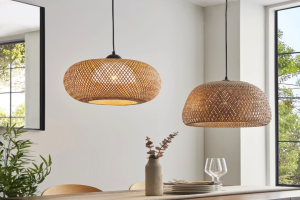
- Fabric or Woven Globes: These offer a softer, more organic feel. They can introduce texture and warmth into a room. The light filtering through fabric can be particularly cozy, making them suitable for bedrooms or casual living spaces. Woven materials, like rattan or bamboo, add a bohemian or natural element.
- Acrylic Globes: These are often lighter and more durable than glass, making them a practical choice, especially in high-traffic areas or homes with children. They can mimic the look of glass but offer a different kind of light diffusion depending on their finish.
Size and Scale: Finding the Perfect Fit
This is arguably the most critical factor when maximizing space with high ceilings. A pendant that’s too small will get lost, while one that’s too large can overwhelm the room.
- The “Rule of Thumb” (with a caveat): A common guideline suggests the diameter of your pendant should be roughly one-tenth the width of your room. However, with high ceilings, you have more leeway to go slightly larger.
- Visual Weight: Consider the perceived weight of the pendant. A large, solid metal globe will feel heavier and more substantial than a delicate, clear glass one of the same diameter. This visual weight should be balanced against the volume of your room.
- Hanging Height: This is paramount for high ceilings. You want the globe to be at a height where it’s noticeable and impactful, but not so low that it interferes with conversation or movement. Generally, for dining tables, the bottom of the pendant should be about 30-36 inches above the tabletop. In living areas or entryways, you have more freedom, but aim for a point where it’s clearly visible and feels intentionally placed.
Style Synergy: Matching Your Decor
The globe pendant shouldn’t exist in a vacuum. It needs to feel like a natural extension of your room’s aesthetic.
- Modern/Minimalist: Think clean lines, brushed metal finishes, or clear glass with a simple bulb.
- Industrial: Black metal, exposed bulbs (within the globe, of course), or darker, matte finishes can fit well.
- Bohemian/Natural: Rattan, bamboo, or textured fabric globes are excellent choices.
- Traditional: Opt for slightly more ornate details, perhaps a brass finish or a frosted glass with subtle etching.
Strategic Placement: Where to Hang Your Globe Pendant
The location of your globe pendant is just as important as its design. For high ceilings, there’s an opportunity to make a bolder statement with placement, but it still needs to be functional.
Over the Dining Table: A Classic Grand Statement
This is where globe pendants truly shine in high-ceilinged spaces. The vertical expanse allows for a larger, more dramatic pendant that anchors the entire dining area.
- Centering is Key: For a rectangular table, hang the pendant centered over the table’s length. For a round table, center it directly over the middle.
- The Right Drop: As mentioned, 30-36 inches above the tabletop is a good starting point. However, with very high ceilings, you might be able to hang it a bit lower than you would in a standard room, ensuring it still feels appropriately scaled and doesn’t obstruct views across the table. The goal is to create an intimate dining experience beneath the vastness of the ceiling.
- Multiple Pendants: Consider a cluster of two or three smaller globe pendants hung at slightly varying heights for a more dynamic effect. This can break up a long table or add visual interest to a larger dining space.
In the Living Room: Creating a Cozy Canopy
A high-ceilinged living room can sometimes feel cavernous. A well-placed globe pendant can bring the space down to a more human scale and create a welcoming atmosphere.
- Over a Coffee Table: Hanging a substantial globe pendant over your coffee table can create a natural gathering spot and a focal point. Again, consider the height to ensure comfortable interaction and avoid head-bumping.
- In a Reading Nook: If you have a dedicated reading area with an armchair, a smaller globe pendant hung at the appropriate height can create a cozy, dedicated light source.
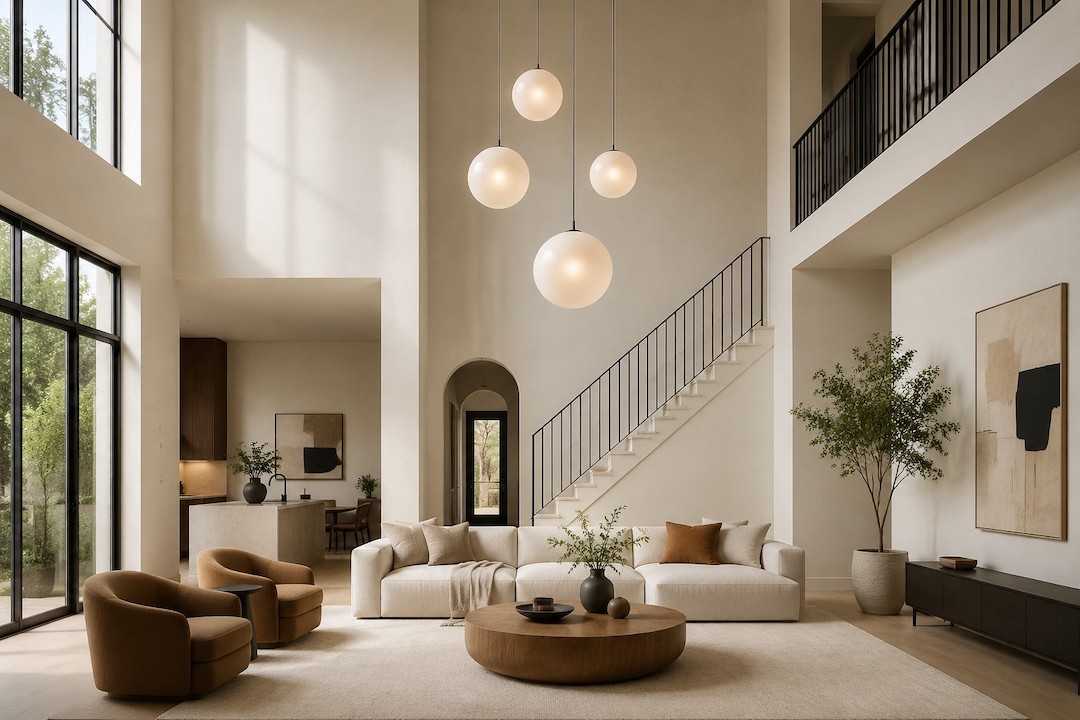
- As a Statement Piece: In a large living room, a single, impressive globe pendant can serve as a dramatic art installation, drawing the eye upwards and adding a touch of luxury.
Entryways and Foyers: Setting the Tone
The entryway is your first impression, and with high ceilings, you have a prime opportunity to make it grand.
- Hanging at Eye Level (of a tall person): In a grand foyer, you can afford to hang a larger pendant quite high. The bottom of the fixture should ideally be at least 7 feet from the floor, but can be higher if the ceiling is exceptionally tall, ensuring it doesn’t feel like a hazard while still being visible.
- Illuminating a Console Table: If you have a console table in your entryway, a globe pendant hung above it can add both light and style, highlighting any decorative items on the table.
- Bridging Levels: In a multi-story entryway, a pendant hanging from the upper level can visually connect the spaces and create a sense of flow.
Kitchens and Islands: Functional Art
High ceilings over kitchen islands offer a chance to install substantial lighting that is both functional for prep work and visually striking.
- Over a Large Island: A single, large globe pendant or a cluster of three can be an excellent choice for a spacious kitchen island. Ensure the height allows for comfortable cooking and conversation without obstruction.
- Task Lighting: While the globe itself provides ambient light, consider the type of bulb and the fixture’s design to ensure sufficient task lighting for food preparation. Some globes have directional elements or can be paired with accent lighting.
Maximizing Light: How Globe Pendants Illuminate Your Space
A globe pendant’s primary function is light, and with high ceilings, you need to be strategic about how that light is delivered to make the most of your vertical space.
Understanding Light Diffusion
Choosing the Right Bulb: Warmth vs. Brightness
- LEDs are Your Friend: They’re energy-efficient, long-lasting, and come in a wide range of color temperatures.
- Color Temperature (Kelvin): For a warm, inviting glow, aim for 2700K-3000K. For a brighter, more neutral light, closer to daylight, go for 3500K-4000K. Avoid very high Kelvin temperatures in living spaces, as they can feel too sterile.
- Brightness (Lumens): This will depend on the size of your room and the function of the space. A general guideline for living rooms is around 10-20 lumens per square foot, while dining rooms might need slightly more for task lighting. The opacity of the globe will also affect how much light is diffused.
Dimmer Switches: Your Secret Weapon
This is a must-have for any well-lit space, especially with high ceilings.
- Creating Ambiance: Dimmer switches allow you to adjust the mood of the room. For a relaxed evening, you can dim the lights to create a cozy atmosphere. For entertaining or tasks, you can brighten them up.
- Energy Savings: Dimming also conserves energy.
- Controlling Light Intensity: With a high ceiling, light can feel dispersed. A dimmer allows you to concentrate the light’s impact when needed.
Layering Light: Beyond the Pendant
While your globe pendant will be a significant light source, don’t rely on it solely.
- Complementary Lighting: Pair your pendant with floor lamps, table lamps, and wall sconces. This creates depth and allows you to control the light in different zones of the room.
- Accent Lighting: Use spotlights or picture lights to draw attention to artwork or architectural features, adding another layer to your illumination strategy.
Integrating with Your Decor: The Finishing Touches
A globe pendant is a significant design element, and its success hinges on how well it integrates with the rest of your room.
Balancing the Scale
- Don’t Let it Float Alone: If you have a very large, high-ceilinged room, a single, large globe pendant might feel a bit isolated. Consider adding other large decorative elements – a substantial rug, a tall bookshelf, or a grouping of artwork – to balance its visual weight.
- Furniture Placement: Arrange your furniture in a way that draws the eye towards the pendant, creating a natural flow and focus.
Color and Finish Coordination
- Metal Accents: If your globe pendant has a metal finish (brass, nickel, black), try to echo that finish in other elements of the room, such as cabinet hardware, picture frames, or lamp bases.
- Color Palette: The color of the globe itself can be a starting point. A clear or white globe is neutral and versatile. A colored globe can become a bold accent, so ensure it complements your existing color scheme.
The Power of the Bulb (Again)
- Visible Bulbs: If your globe is clear or has openings, the type of bulb you choose becomes a decorative element. Edison-style bulbs with exposed filaments can add a vintage touch, while modern LED bulbs can offer a sleeker look.
Creating a Sense of Flow
- Vertical Lines: Use other vertical elements in your room – tall plants, floor-to-ceiling curtains, or architectural details – to echo the height of your ceiling and create a cohesive design.
Common Pitfalls to Avoid
Even with the best intentions, there are a few common mistakes that can undermine your efforts to maximize space with a high-ceilinged globe pendant.
The “Too Small” Syndrome
- Getting Lost: As mentioned, a pendant that’s too small will simply disappear into the vastness of a high ceiling. It won’t be a focal point and will fail to make the impact you desire. Always err on the side of slightly larger when in doubt for high ceilings.
The “Too Low” Hazard
- The Head-Bumper: This is a safety and practicality issue. A pendant hung too low in a high-ceilinged room can be a constant nuisance. Measure carefully and consider the typical height of people in your household.
Ignoring Room Function
- All Style, No Substance: While a dramatic globe pendant can look stunning, ensure it also serves its intended purpose. In a dining room, it needs to provide adequate light for meals. In a kitchen, it needs to support task lighting. Don’t sacrifice functionality for pure aesthetics.
Overcrowding the Space
- Too Many Big Things: While you want to fill the vertical space, don’t go overboard with too many large decorative items that can make the room feel cluttered. Balance is key.
Forgetting the Dimmer
- Static Lighting: A fixed brightness can be limiting. A dimmer offers flexibility and control, allowing you to adapt the lighting to different activities and moods throughout the day and evening.
By carefully considering these points, you can transform your high-ceilinged space with a globe pendant, turning an empty expanse into a stylish, functional, and welcoming area. It’s about using that vertical real estate to your advantage, creating a statement piece that enhances both the beauty and the livability of your home.