Modern Bedroom: Concrete Wall Lamp Inspiration
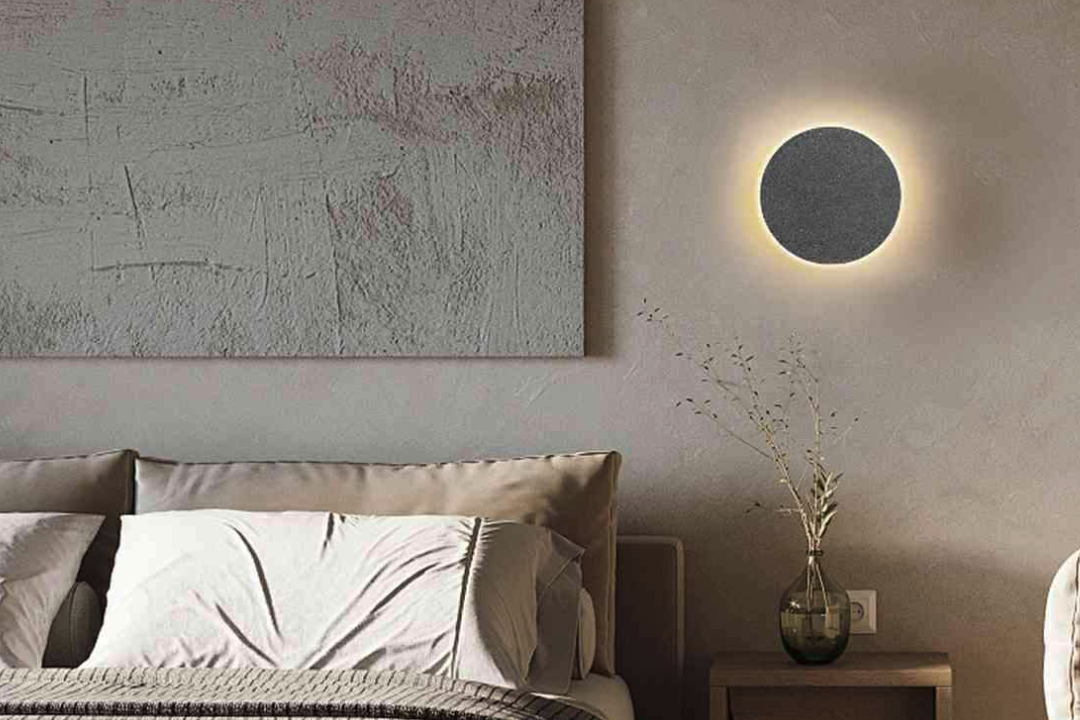
So, you’re looking to bring some modern flair and a touch of industrial chic into your bedroom, and concrete wall lamps have caught your eye. Good choice! These aren’t just light fixtures; they’re statement pieces that blend raw, elemental beauty with functional illumination. Essentially, a concrete wall lamp in a modern bedroom offers a unique textural contrast, a subtle nod to industrial design, and a minimalist aesthetic that can elevate the entire space. They provide focused light, often accentuating a specific area, and their inherent coolness grounds a room with a contemporary, no-nonsense vibe.
It might seem counterintuitive to put something as seemingly heavy and industrial as concrete in a place meant for relaxation, but that’s precisely where its magic lies. Modern interiors often thrive on unexpected juxtapositions and a celebration of materials in their truest form.
The Appeal of Raw Aesthetics
Modern design frequently embraces authenticity. Concrete, with its natural imperfections and unblemished surface, perfectly embodies this. It’s honest, straightforward, and doesn’t try to be something it’s not.
- Tactile Contrast: In a bedroom filled with soft bedding, plush rugs, and delicate fabrics, the rough, cool texture of concrete creates a compelling tactile contrast. This interplay of hard and soft adds depth and interest to the room.
- Minimalist Statement: Concrete itself is a minimalist material. A concrete lamp Buyance doesn’t need ornate detailing to make an impact; its form and texture are enough. This aligns perfectly with a modern, uncluttered design philosophy.
- Industrial Edge: It brings an industrial edge without making your bedroom feel like a factory. It’s a subtle nod, a sophisticated hint at an aesthetic that’s become increasingly popular.
Practical Benefits for Bedroom Lighting
Beyond aesthetics, concrete wall lamps offer some very practical advantages for bedroom lighting.
- Space Saving: Wall-mounted lamps free up bedside table space, which is especially valuable in smaller bedrooms. You can use that extra surface for your nighttime essentials, a book, or a cup of tea.
- Focused Illumination: Many concrete wall lamps are designed to provide directional light. This is ideal for reading in bed without disturbing a partner, or for highlighting a specific piece of art or architectural feature.
- Durability and Longevity: Concrete is an incredibly durable material. These lamps are built to last, resisting wear and tear far better than some more delicate alternatives. You’re investing in a fixture that will stand the test of time.
Design Considerations for Integration
Bringing a concrete wall lamp into your modern bedroom involves more than just picking one you like. It’s about thoughtful integration to ensure it enhances, rather than overwhelms, the space.
Placement is Key
Where you put your concrete wall lamp will drastically affect its function and how it contributes to the room’s overall feel.
- Beside the Bed: This is perhaps the most common and practical placement. Two lamps, one on each side of the bed, offer symmetrical reading light and a balanced aesthetic. Consider lamps with adjustable arms or swiveling heads for optimal reading comfort.
- Accent Lighting: If you have a gallery wall, an interesting headboard, or a textured wall finish, a concrete lamp can act as an accent light, drawing attention to these features.
- Entryway Nook: If your bedroom has a small entryway or a cozy corner, a single concrete lamp can provide ambient light and a stylish focal point.
Style and Shape Exploration
Concrete lamps come in various forms, from sleek and geometric to more organic and brutalist. Your choice should align with the specific modern aesthetic you’re aiming for.
- Geometric Forms: Square, rectangular, or cylindrical shapes often complement a very clean, minimalist modern design. They reinforce sharp lines and a sense of order.
- Curved or Organic Shapes: While still modern, lamps with softer curves or a more sculptural, fluid design can add a touch of softness to the concrete, preventing the room from feeling too stark.
- Exposed Bulb Designs: Some concrete lamps intentionally leave the bulb exposed, leaning into an even more industrial or “deconstructed” look. When opting for this, be sure to choose an attractive, low-wattage Edison-style bulb for a warm glow.
Material Combinations
Concrete pairs beautifully with a range of other materials, and these combinations can soften or enhance its inherent rawness.
- Wood: The warmth of wood (light oak, dark walnut) against the cool gray of concrete creates a classic modern balance. Look for lamps that incorporate a wooden element, or pair your concrete lamp with wooden furniture.
- Metal Accents: Black or brass metal hardware (like brackets or arms) can add a sophisticated touch, reinforcing the industrial-modern vibe. Matte black offers a sleek, understated contrast, while brass adds a hint of luxury.
- Textiles: Remember the tactile contrast mentioned earlier. Soft linens, wool throws, and jute rugs will feel even more inviting next to the firm presence of concrete.
Lighting Functionality and Ambiance
Don’t just think about how the lamp looks, but how it lights. The right light can make or break a bedroom’s ambiance.
Type of Illumination
Different lamp designs offer different types of light output, each serving a distinct purpose in a bedroom.
- Uplight/Downlight: Many concrete wall lamps direct light either upwards, downwards, or both. Uplights can create a gentle ambient glow by bouncing light off the ceiling, making the room feel larger. Downlights are more focused, ideal for task lighting.
- Spotlight Effect: Some designs act more like spotlights, creating a concentrated beam of light. This is excellent for highlighting specific features or for very directed reading light.
- Ambient Glow: Lamps that diffuse light through a semi-transparent shade or have an indirect light source create a softer, more general ambient glow, perfect for unwinding.
Dimmer Switches are Your Friend
For a bedroom, flexibility in lighting is paramount. A concrete wall lamp, regardless of its design, will benefit greatly from a dimmer switch.
- Adjustable Mood: A dimmer allows you to transition from bright reading light to a soft, warm glow perfect for relaxing or setting a romantic mood.
- Energy Efficiency: Dimming lights uses less energy, so it’s good for your wallet and the environment.
- Visual Comfort: In the dark hours of the evening or first thing in the morning, gradually adjusting the light level is far more comfortable for your eyes than a harsh, sudden brightness.
Bulb Choice Matters
The bulb you choose will significantly impact the color temperature and intensity of the light, directly affecting the bedroom’s ambiance.
- Color Temperature (Kelvin): For bedrooms, generally aim for warmer light. Bulbs in the 2700K to 3000K range produce a soft white or warm white light that is conducive to relaxation. Avoid anything above 4000K, which tends to be a cooler, bluish light more suited for task-oriented spaces like kitchens or offices.
- LEDs for Efficiency: Modern bedrooms should take advantage of LED technology. LEDs are energy-efficient, long-lasting, and come in a wide range of color temperatures and brightness levels.
- Designer Bulbs: If your concrete lamp has an exposed bulb, consider an Edison-style LED bulb. These combine energy efficiency with a vintage aesthetic, offering a warm, inviting glow.
Pairing with Modern Room Styles
Concrete wall lamps are versatile, but they truly shine in certain modern bedroom aesthetics.
Industrial Modern
This is the most obvious pairing. Concrete is a cornerstone of industrial design, and when paired with other elements, it creates a cohesive, stylish space.
- Exposed Elements: Think exposed brick walls, visible ductwork (if applicable), or metal-framed furniture. A concrete lamp fits right in.
- Raw Materials: Wood, metal, and leather are common in industrial modern. A concrete lamp complements these beautifully, adding another layer of texture.
- Monochromatic Palettes: Often, industrial modern embraces shades of grey, black, and white, with pops of an accent color. Concrete’s natural gray tone slots in perfectly.
Minimalist Chic
For those who adhere to the “less is more” philosophy, concrete lamps can be perfect.
- Clean Lines: Minimalist design champions simplicity and clean lines. Many concrete lamp designs echo this, featuring unfussy shapes and unadorned surfaces.
- Neutral Colors: Concrete’s natural gray is a quintessential neutral. It allows other elements in the room, like a single piece of art or a statement textile, to stand out without competing.
- Functional Beauty: In minimalism, every item should serve a purpose and be aesthetically pleasing. A concrete lamp does both, providing light while acting as a sculptural element.
Scandinavian Influence
The Scandinavian aesthetic, known for its light, bright, and natural feel, can also incorporate concrete elements.
- Light Woods: Concrete pairs wonderfully with light woods like birch or ash, a staple of Scandinavian design. The contrast of warm wood and cool concrete creates a balanced, inviting space.
- Simplicity and Functionality: Similar to minimalism, Scandinavian design prioritizes function and understated beauty. A simple, well-designed concrete lamp fits this ethos.
- Textural Richness: While often perceived as minimalist, Scandinavian interiors are rich in texture – knitted throws, linen bedding, sheepskin rugs. Concrete adds another interesting textural layer.
Installation & Maintenance Tips
While concrete lamps are durable, a little care and attention to installation details will ensure they look great and function safely for years to come.
Professional Installation Recommended
Unless you’re very confident in your electrical wiring skills, it’s always best to hire a qualified electrician for installation.
- Safety First: Dealing with electrical wiring carries risks. An electrician ensures the lamp is wired correctly, safely, and up to code.
- Proper Mounting: Concrete lamps can be heavy. An electrician will know how to properly secure the fixture to your wall, ensuring it’s stable and won’t fall.
- Dimmer Compatibility: If you’re installing a dimmer, an electrician can ensure it’s compatible with your lamp and bulb type.
Cleaning and Care
Concrete is a low-maintenance material, but a few simple steps will keep your lamp looking its best.
- Dust Regularly: A soft, dry cloth or a duster is usually all you need to keep dust from accumulating on the surface.
- Avoid Harsh Chemicals: Do NOT use abrasive cleaners, strong chemicals, or acidic solutions on concrete. These can stain or damage the finish.
- Gentle Wiping: If there are smudges or light marks, a slightly damp cloth (with plain water) followed by a dry one should suffice.
- Sealing (If Necessary): Some concrete lamps may come pre-sealed to prevent staining. If yours isn’t, and you’re concerned about it, you can consult with the manufacturer about suitable concrete sealants, but usually, this isn’t necessary for lighting fixtures.
In essence, a concrete wall lamp is more than just a light source; it’s a carefully chosen design element that speaks volumes about your taste. It brings an earthy, industrial sophistication to your modern bedroom, creating a space that feels both grounded and elegantly forward-thinking. By considering placement, style, lighting type, and pairing it thoughtfully with your existing decor, you can transform your bedroom into a true sanctuary of modern style.