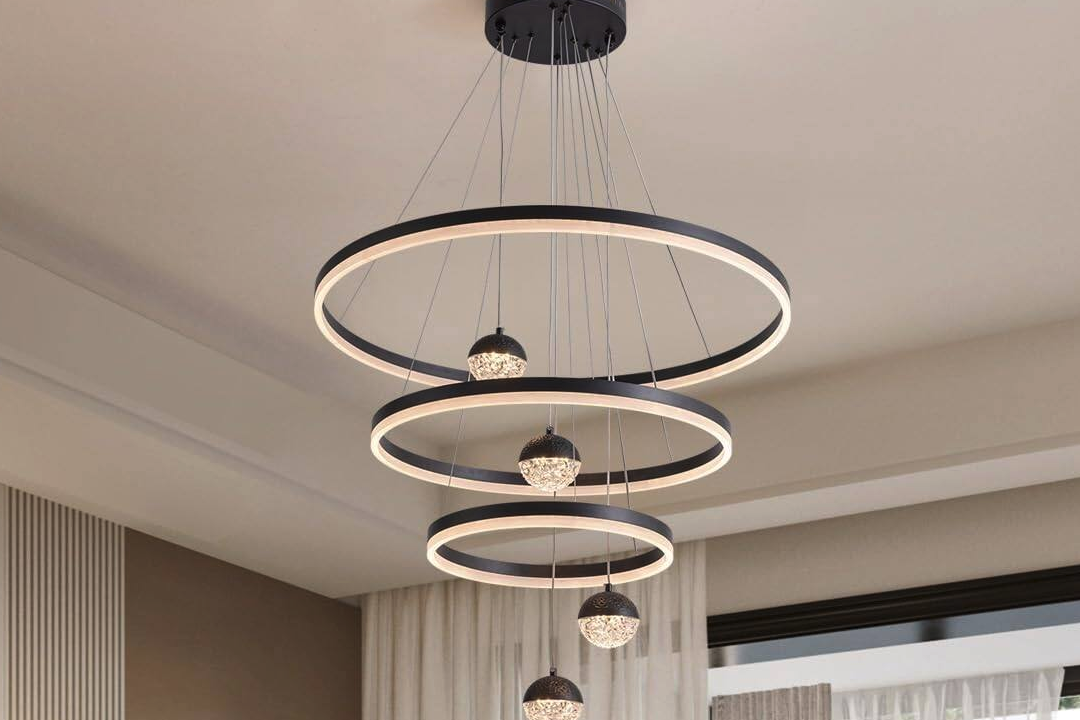
Remote Dimming Chandeliers: The Solution for High Tables
When you have a chandelier hanging above a high table, like a dining table or kitchen island, getting the light just right can be tricky. Reaching up to adjust a dimmer switch, or even finding one that’s easily accessible, isn’t always practical. That’s where remote dimming chandeliers come in. They offer a simple, convenient solution for controlling your lighting without having to stretch or awkwardly fumble around. Essentially, these fixtures allow you to adjust the brightness from a distance, making them ideal for those hard-to-reach spots.
High tables, whether they’re a grand dining table or a bustling kitchen island, present unique lighting challenges. It’s not just about illuminating the surface; it’s about setting the mood, ensuring functionality, and making sure the light is comfortable for everyone using the space.
The Problem with Fixed Brightness
Imagine hosting a dinner party. You want a bright, inviting light during the meal, but maybe something softer and more ambient for after-dinner conversation. A chandelier with fixed brightness can’t adapt to these different needs. You’re stuck with one level of illumination, which often means it’s either too bright or too dim for the occasion. This lack of flexibility can really impact the usability and atmosphere of your dining or gathering space.
The Awkwardness of Manual Dimmers
If your chandelier has a traditional dimmer switch, it’s likely located on a wall. While this works fine for a ceiling light in a living room, it becomes an inconvenience when the light source is directly above a high table.
Reaching for the Switch
Picture yourself trying to reach a wall-mounted dimmer from your seat at the dining table. You’d have to get up, walk to the switch, adjust it, and then return to your seat. It’s a minor hassle, but one that adds up over time and disrupts the flow of a meal or conversation. For someone with mobility issues, it can be a significant barrier.
Interrupting the Ambiance
Each time you get up to adjust the light, you break the spell of the moment. This is particularly noticeable during intimate dinners or when you’re trying to create a specific atmosphere. A remote dimmer allows you to make subtle changes without drawing attention to the act of adjusting the light.
How Remote Dimming Chandeliers Work
The magic of remote dimming chandeliers Arttimedecor lies in their integrated technology, which allows for wireless control. It’s not overly complicated, but understanding the components helps in making an informed choice.
The Core Components
At the heart of a remote dimming system are a few key elements that work together seamlessly.
The Dimmer Module
Unlike traditional dimmers that are installed in the wall, the dimmer module for a remote dimming chandelier is typically built directly into the fixture itself or housed within the canopy. This module receives signals from the remote control and adjusts the power supplied to the light bulbs, thereby changing their brightness. These modules are specifically designed to handle the power requirements of chandeliers, which can sometimes involve multiple bulbs.
The Remote Control
This is your interface. Modern remote controls for chandeliers are generally sleek and user-friendly. They usually have buttons for turning the light on/off, increasing/decreasing brightness, and sometimes even pre-set brightness levels (e.g., “dinner mode,” “reading mode”). Some advanced remotes might even allow you to control individual zones if you have a multi-tier or multi-light fixture, though this is less common for standard chandeliers.
Communication Protocols
The remote communicates with the dimmer module using wireless technology. The most common protocols you’ll encounter are:
- Infrared (IR): Similar to your TV remote, IR requires a line of sight between the remote and the receiver on the chandelier. While reliable, this can be a limitation if there are obstructions.
- Radio Frequency (RF): More versatile than IR, RF signals can pass through walls and don’t require a direct line of sight. This makes them very convenient for larger rooms or when the chandelier is high up.
- Bluetooth/Wi-Fi (Smart Home Integration): Increasingly, chandeliers are integrating with smart home systems. This means you can control them via a smartphone app, voice commands (through devices like Amazon Echo or Google Home), or even schedule lighting changes. This offers the ultimate in flexibility and automation.
Installation Considerations
While the concept is simple, installation needs to be done correctly.
Professional Installation Recommended
For integrated remote dimming chandeliers, professional installation is almost always recommended. An electrician will ensure the wiring is correct, the dimmer module is properly connected, and the fixture is securely mounted. This is especially important for heavy chandeliers hanging over high tables. They’ll also typically help you pair the remote control with the fixture.
Compatibility with Bulbs
It’s crucial to use dimmable bulbs with your remote dimming chandelier. Not all bulbs are dimmable, and using non-dimmable bulbs can lead to flickering, buzzing, or premature bulb failure. Most modern remote dimming chandeliers are designed for LED bulbs, which are energy-efficient and offer excellent dimming capabilities. Always check the chandelier’s specifications for recommended bulb types.
Benefits Beyond Convenience
While convenience is a major selling point, remote dimming chandeliers offer a range of other advantages that enhance both functionality and aesthetics.
Enhanced Ambiance and Mood Setting
This is perhaps the most significant benefit for high table lighting. The ability to precisely control brightness allows you to transform the atmosphere of your space instantly.
Adapting to Any Occasion
- Bright and Functional: For meal prep on a kitchen island, homework at a dining table, or casual family meals, you can crank up the brightness for clear visibility.
- Soft and Intimate: For romantic dinners, relaxed conversations, or just winding down, you can dim the lights to create a warm, inviting glow.
- Party Mode: Perhaps a slightly brighter, but not overwhelming, light for social gatherings.
Creating Layers of Light
Dimming allows you to work with other light sources in the room to create a layered lighting scheme. You might have ambient light from the chandelier, task lighting from sconces or under-cabinet lights, and accent lighting from table lamps. Being able to dim the chandelier allows it to play its part in this symphony of light without dominating or competing unnecessarily.
Energy Efficiency and Bulb Longevity
It’s not just about comfort; it’s also about being smart with your energy use.
Saving Electricity
Dimming lights reduces the amount of power they consume. While the exact savings depend on the dimming level and bulb type, even a slight reduction in brightness can lead to noticeable energy savings over time. This is particularly true for chandeliers that might be on for extended periods.
Extending Bulb Life
Operating bulbs at lower power levels (i.e., when dimmed) puts less stress on their components. This can significantly extend the lifespan of your light bulbs, meaning fewer replacements and less maintenance. This is especially beneficial for chandeliers where changing bulbs can be an effort due to their height and design.
Safety and Accessibility
For many, remote dimming isn’t just a luxury; it’s a practical necessity.
No More Stretching or Climbing
Imagine no longer needing a step stool or ladder just to adjust your dining room light. This is a huge win for safety, especially in homes with elderly individuals or those with mobility challenges. It reduces the risk of falls and makes everyday living much more comfortable.
Ideal for Open-Plan Living
In open-plan homes where a dining area might flow into a living room, remote control allows you to manage the lighting without having to walk across the entire space. You can be on the couch and adjust the dining light, or vice-versa, maintaining a seamless experience.
Types of Remote Dimming Chandeliers and Features
The market for remote dimming chandeliers is growing, offering a variety of styles and technological integrations.
Integrated Systems
These chandeliers come with the dimmer module and remote control already built-in or specifically designed to work together.
Ready to Go Out of the Box
With an integrated system, you usually don’t have to worry about compatibility issues between the chandelier and the dimmer. The manufacturer has already done the work to ensure everything functions seamlessly. This simplifies the buying and installation process.
Often Feature-Rich
Integrated systems often include advanced features like multiple dimming levels, memory functions (recalling your last brightness setting), and sometimes even different color temperatures if the chandelier uses tunable white LEDs.
Smart Home Compatible Chandeliers
These fixtures take remote control to the next level by integrating with your broader smart home ecosystem.
App and Voice Control
If you have a smart home hub (like Apple HomeKit, Google Home, or Amazon Alexa), you can often control these chandeliers directly from your smartphone or tablet app, or even with voice commands. Imagine saying, “Alexa, dim the dining room light to 50%,” without lifting a finger.
Scheduling and Automation
Smart home integration allows you to schedule lighting changes. You could have the dining light automatically dim at sunset, or brighten at breakfast time. You can also incorporate the chandelier into “scenes” – for example, a “dinner party” scene that dims the chandelier and turns on other accent lights.
Geofencing
Some advanced smart home systems even offer geofencing, meaning your lights can turn on or off based on your proximity to your home. While perhaps less critical for a dining chandelier, it showcases the potential for smart integration.
Additional Features to Look For
Beyond basic dimming, consider these enhancements:
Color Temperature Adjustment (Tunable White)
Some LED chandeliers allow you to change not just the brightness but also the color temperature of the light – from a warm, cozy glow (e.g., 2700K) to a crisp, bright daylight (e.g., 5000K). This is fantastic for high tables, as you can have bright task lighting for reading recipes and then switch to a warm, inviting light for dining.
Pre-set Scenes
Many remotes or smart systems offer pre-programmed scenes or the ability to create your own. This means with a single button press, you can switch from “work” mode to “relax” mode, adjusting brightness and color temperature simultaneously.
Group Control
If you have multiple remote dimming fixtures in an open-plan area (e.g., a chandelier over the dining table and another over the kitchen island), some systems allow you to group them together and control them simultaneously or individually from a single remote or app.
Choosing the Right Remote Dimming Chandelier
Selecting the perfect chandelier involves balancing aesthetics, functionality, and technology.
Style and Design
This is often the first consideration, as the chandelier will be a focal point above your high table.
Complement Your Decor
Choose a style that harmonizes with your existing decor, whether it’s modern, traditional, industrial, or farmhouse. The chandelier should enhance the room, not clash with it.
Size and Scale
Ensure the chandelier is appropriately sized for your table and the room. A general rule of thumb for dining tables is that the width or diameter of the chandelier should be about half to two-thirds the width of the table. For height, ensure there’s enough clearance for comfortable conversation and visibility without hitting heads.
Technology and Compatibility
Consider how the remote dimming system fits into your lifestyle.
Ease of Use
If you’re not tech-savvy, an integrated system with a simple remote might be best. If you’re invested in smart home technology, look for chandeliers with Wi-Fi/Bluetooth capabilities.
Dimmability Range
Check the specifications for the dimming range. Some systems dim down to 10% or 5%, while others can go down to 1% or even less, offering a truly subtle nightlight effect.
Bulb Type
Most modern remote dimming chandeliers are designed for LED bulbs. Confirm that the fixture is compatible with dimmable LEDs, and ideally, comes with them or recommends specific types. This ensures optimal performance.
Installation and Maintenance
Think about the long-term aspects of owning the chandelier.
Professional Installation
As mentioned, budget for professional installation, especially for complex or heavy fixtures.
Accessibility for Bulb Replacement
Even with extended bulb life, bulbs will eventually need changing. Consider how easy or difficult it will be to access and replace bulbs in your chosen chandelier design, given its height above the table.
Warranty and Support
Look for manufacturers who offer a good warranty and readily available customer support, especially for the electronic components of the remote dimming system.
Practical Tips for Living with Remote Dimming Chandeliers
Once your remote dimming chandelier is installed, a few tips can help you make the most of it.
Keep the Remote Handy
This might seem obvious, but it’s easy to misplace a small remote. Consider a designated spot on the table, a small tray, or even a magnetic strip on a nearby wall if your remote is metal-backed. Some smart home apps allow you to add a widget to your phone’s home screen for quick access.
Experiment with Brightness Levels
Don’t just stick to full on or full off. Spend some time experimenting with different dimming levels for various activities. You’ll likely discover ideal settings for dining, entertaining, reading, or simply enjoying the ambiance.
Integrate with Smart Home Routines
If your chandelier is smart home compatible, set up some routines. For example:
- “Good Morning” routine: Lights slowly brighten to 50% at a certain time.
- “Dinner Time” routine: Lights set to 70% brightness with a warm color temperature.
- “Movie Night” routine: Chandeliers dim to a very low level or turn off, while accent lights come on.
Have a Backup Plan
While reliable, electronics can occasionally have issues. Ensure you know where the wall switch (if any) for your chandelier is located, or if there’s a manual override button on the fixture itself, just in case the remote battery dies or there’s a temporary connectivity issue.
Remote dimming chandeliers are far more than just a fancy gadget; they’re a thoughtful solution to a common lighting problem in homes with high tables. They offer unparalleled convenience, enhance the mood and functionality of your space, and contribute to energy efficiency. By choosing the right fixture and understanding its capabilities, you can transform your dining or kitchen area into a versatile, beautifully lit environment that adapts effortlessly to every occasion.