Ultra-thin Wood Grain LED Ceiling Light: Perfect for Low Ceilings
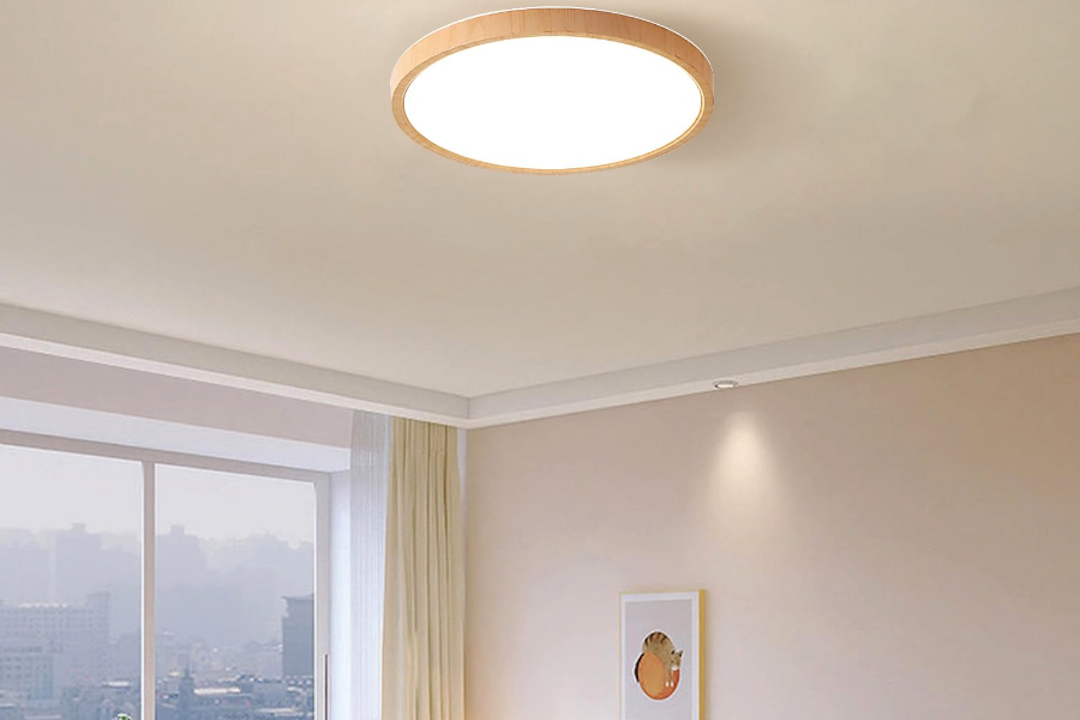
Thinking about new ceiling lights but worried about your low ceilings? You’re probably wondering if there’s an option that looks good and doesn’t make your rooms feel even smaller. The good news is, yes, there is! Ultra-thin wood grain LED ceiling lights are a really practical solution for spaces with limited headroom. They offer a sleek, modern look without sacrificing light quality, and their slim profile is a game-changer for keeping your rooms feeling open and airy.
So, what’s the big deal with these lights Woyik and low ceilings? It’s all about managing perception and functionality. Standard light fixtures, especially those with shades or bulky bases hanging down, can really chop up the visual space in a room with a low ceiling. They become dominant features that draw the eye downwards, making the ceiling feel closer than it is. Ultra-thin wood grain LED lights, on the other hand, are designed to be discreet. Their minimal height means they blend into the ceiling rather than hanging down into it. This creates a much more seamless look and helps maintain the illusion of greater vertical space.
The Illusion of Height
It sounds a bit magical, but these lights actually trick your eyes into perceiving a taller room.
How Slim Design Contributes
The core reason is simple physics and design. When a fixture is very close to the ceiling, it doesn’t extend downwards into your living space. This lack of downward projection is crucial. Imagine a thick, pendant-style light versus a flat disc – the disc just takes up less air volume.
Minimizing Visual Obstruction
Think about looking across a room. If your eye catches a large, hanging light fixture, it interrupts your line of sight upwards. A low-profile light doesn’t offer that visual barrier. Your gaze can travel more freely, making the space feel more expansive.
Wood Grain: A Touch of Warmth and Style
Beyond just being thin, these lights often feature a wood grain finish. This isn’t just for show; it adds a significant aesthetic benefit, especially in homes where people want a blend of modern and natural elements.
Natural Aesthetics, Modern Technology
You get the warmth and organic look of wood without the bulk or potential maintenance issues of solid wood fixtures. It’s a clever way to integrate natural textures into a contemporary design.
Versatility in Decor
The wood grain finish can complement a wide range of interior styles, from minimalist and Scandinavian to more rustic or even mid-century modern. It’s a neutral element that can tie different design components together.
Understanding the “Ultra-Thin” Aspect
When we talk about “ultra-thin,” it’s important to have a rough idea of what that means in practical terms for a ceiling light. These aren’t just slightly less bulky fixtures; they are specifically designed for minimal protrusion from the ceiling.
What “Ultra-Thin” Actually Means in Millimeters
Typically, “ultra-thin” for these lights often refers to a height of 2 to 5 centimeters (roughly 0.8 to 2 inches). Some models might even be slimmer. This is a stark contrast to many traditional ceiling fixtures, which can be 10 centimeters or much taller.
Comparing Heights to Standard Fixtures
Think about recessed lighting – that’s pretty flush. These ultra-thin lights aim for a similar close-to-ceiling effect, but they are surface-mounted, meaning you don’t need to cut holes in your ceiling. They simply attach to your existing electrical box.
Why This Matters for Vertical Space
Every millimeter counts when you have low ceilings. A fixture that protrudes by just a few inches can make a significant difference. Reducing this protrusion frees up that perceived vertical space.
The Importance of a Low Profile
The primary function of being “ultra-thin” is to minimize how much the light “hangs” into the room.
Avoiding the “Drooping” Effect
Bulky fixtures can create a sense of “drooping” that visually lowers the ceiling. Ultra-thin lights eliminate this by staying close to the surface.
Maintaining Clearances
For people who are taller, a low-profile light means less chance of bumping their head. It also allows for more comfortable movement within the room.
The LED Advantage: Efficiency and Light Quality
The “LED” part of these lights is just as crucial as their thinness. LED technology offers a host of benefits that make these fixtures ideal for any application, but especially for those where good, consistent light is a priority.
Energy Efficiency and Longevity
LEDs are renowned for their energy efficiency. This means they consume less electricity than traditional incandescent or fluorescent bulbs.
Lower Electricity Bills
Over time, the energy savings can add up, leading to noticeably lower electricity bills. This is a practical benefit for any homeowner.
Extended Lifespan
LEDs also have a much longer lifespan than older lighting technologies. You won’t be changing bulbs frequently, which is convenient and saves money on replacements.
High-Quality, Consistent Lighting
The quality of light emitted by LEDs has improved dramatically. Modern LEDs offer excellent color rendering and brightness.
Color Rendering Index (CRI) Explained
Look for a high Color Rendering Index (CRI) when choosing your light. A CRI of 80 or above is generally considered good for homes, meaning colors will appear natural and vibrant under the light.
Brightness (Lumens) and Color Temperature
Lumens measure brightness, and color temperature (measured in Kelvin, K) determines if the light is warm (e.g., 2700K-3000K, like incandescent bulbs) or cool (e.g., 4000K-6000K, more like daylight). For general home use, a warm to neutral white (2700K-4000K) is often preferred.
Advanced Features: Dimmability and Smart Options
Many ultra-thin wood grain LED ceiling lights come with additional features that enhance their functionality and integration into a modern home.
Dimmable Capabilities
The ability to dim lights is a major plus. It allows you to adjust the ambiance of a room for different activities, from bright task lighting to a softer, more relaxed atmosphere.
Smart Home Integration
Some models even offer smart home compatibility, allowing you to control them via a smartphone app or voice assistants like Alexa or Google Assistant. This adds convenience and modern tech flair.
Installation and Practicality for DIYers
One of the most important aspects for many homeowners is how easy these lights are to install. Thankfully, ultra-thin LED ceiling lights are generally designed with user-friendliness in mind.
Surface Mounting: The Key to Simplicity
Unlike recessed lights that require modifications to your ceiling, these fixtures are surface-mounted. This means they attach directly to your junction box.
No Need for Ceiling Modifications
This is a huge advantage for those with existing popcorn ceilings or those who want to avoid complex DIY projects. You don’t need to cut holes or deal with plaster and paint.
Connecting to Existing Wiring
The process typically involves connecting simple wires (live, neutral, ground) to the corresponding wires from your ceiling electrical box.
What to Expect During Installation
While usually straightforward, it’s always good to know what’s involved.
Basic Electrical Knowledge is Helpful
You’ll need to turn off the power to the circuit at your breaker box before starting. Familiarity with basic wiring connections is beneficial.
Tools You Might Need
Common tools include a screwdriver, wire strippers, possibly a drill for pilot holes if mounting into wood, and a voltage tester to ensure the power is off.
When to Call a Professional
If you’re uncomfortable with any part of the process or if your existing wiring looks old or problematic, it’s always best to hire a qualified electrician. Safety first!
Where to Use Ultra-Thin Wood Grain Lights
The versatility of these lights means they are suitable for a wide range of rooms, particularly those where minimizing height is a key concern.
Bedrooms and Living Rooms
These are prime candidates for ultra-thin lights. They provide ample, pleasant light without making the space feel cramped.
Creating a Relaxing Atmosphere
The wood grain detail can add a cozy, inviting element to these primary living spaces. Dimmable options are especially useful here.
Enhancing the Sense of Space
In smaller bedrooms or living areas, the lack of visual bulk helps the room feel larger and more open.
Hallways and Entryways
These transitional spaces often have lower ceilings or are areas where you want a clean, uncluttered look.
Welcoming and Functional Lighting
A well-lit hallway or entryway makes a good first impression and ensures safe passage.
Maintaining a Streamlined Aesthetic
The slim design ensures these areas don’t feel dominated by a light fixture.
Kitchens and Dining Areas
While some kitchens might have higher ceilings, many also have areas where a low-profile light is beneficial.
Even Illumination for Tasks
Ensure you choose a brightness and color temperature appropriate for kitchen tasks, such as food preparation.
Enhancing Mealtime Ambiance
In a dining nook or smaller dining area, these lights can provide sufficient light without obstructing views or making the space feel claustrophobic.
Other Applications
Don’t limit yourself! These lights can work in many other areas too.
Laundry Rooms and Pantries
These functional spaces often benefit from simple, effective lighting.
Garages with Low Ceilings
If you have an attached garage with a low ceiling, these can provide good illumination without getting in the way.
In conclusion, if you’re dealing with low ceilings, embracing the sleek, minimalist design of ultra-thin wood grain LED ceiling lights is a smart move. They’re not just about saving space; they offer a blend of modern technology, aesthetic appeal, and practical installation that can significantly improve the look and feel of your home without making you feel like you’re constantly ducking.